The government of The Gambia, through the Ministry of Agriculture, has injected more than D1.67 billion ($24 million approximately) toward the purchase of groundnuts during the 2025/2026 trade season, in one of the country’s most significant annual investments in rural livelihoods and national food security.
Groundnuts, the country’s most important cash crop, remain central to household incomes across The Gambia’s farming belt, supporting tens of thousands of smallholder farmers and sustaining local economies during the dry season.
According to a disbursement performance report released on 07 February 2026, the National Food Security Processing and Marketing Corporation (NFSPMC) has provided financing to both cooperative societies (SECCOs) and contracted private traders to maintain purchasing momentum and stabilize the market.
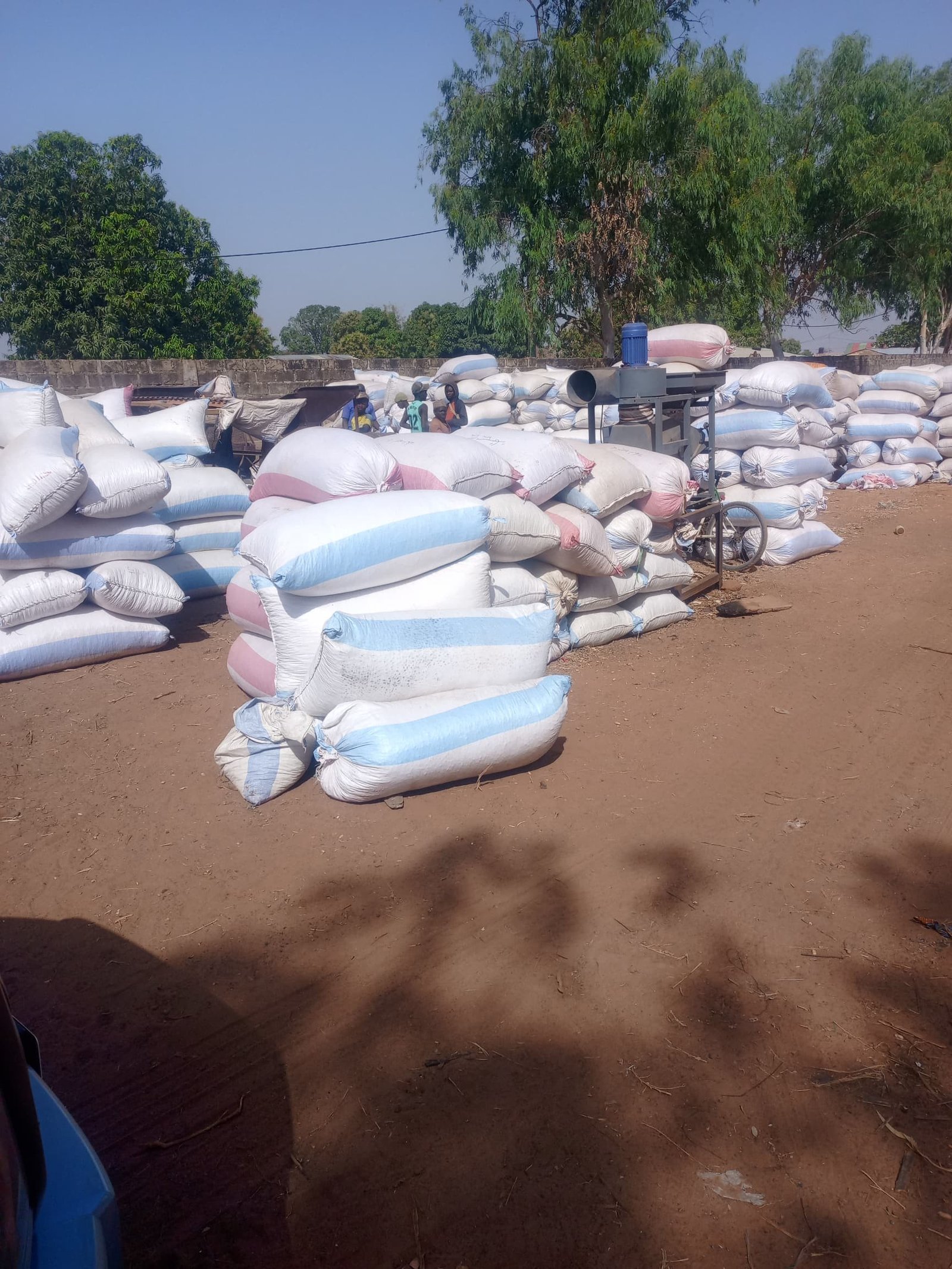
The report confirms that D351 million has been disbursed to private traders for the purchase of 8,782 metric tons of clean farmers’ stock.
Officials say the financing reflects a sustained effort to ensure farmers are paid promptly while maintaining efficient logistics across the value chain.
“This is not simply a trade exercise,” Lamin Joof, an agricultural analyst in Banjul, noted. “It is the backbone of rural income and food security.”
“The government has done the unthinkable this season by transforming and digitalizing the whole process of buying nuts from the farmers.”
“With close to D1.7billion already injected into the rural economy, I think it’s a real game changer.”
NFSPMC has introduced a strict delivery benchmark: cooperatives must reach at least 89% of expected deliveries before receiving additional float funding.
As of early February, the national delivery average stood exactly at 89%, placing many SECCOs on the margin between compliance and delay.
Several cooperatives have fallen significantly below the threshold.
In Kwinella, deliveries reached only 75%, while Banna Tenda recorded 74%. The lowest performer, Sami Pachonki, achieved a score of just 53%, raising concerns about logistical bottlenecks and operational challenges.
The report indicates that NFSPMC’s continued commitment to supporting groundnut intake while maintaining effective logistics across the trade chain.