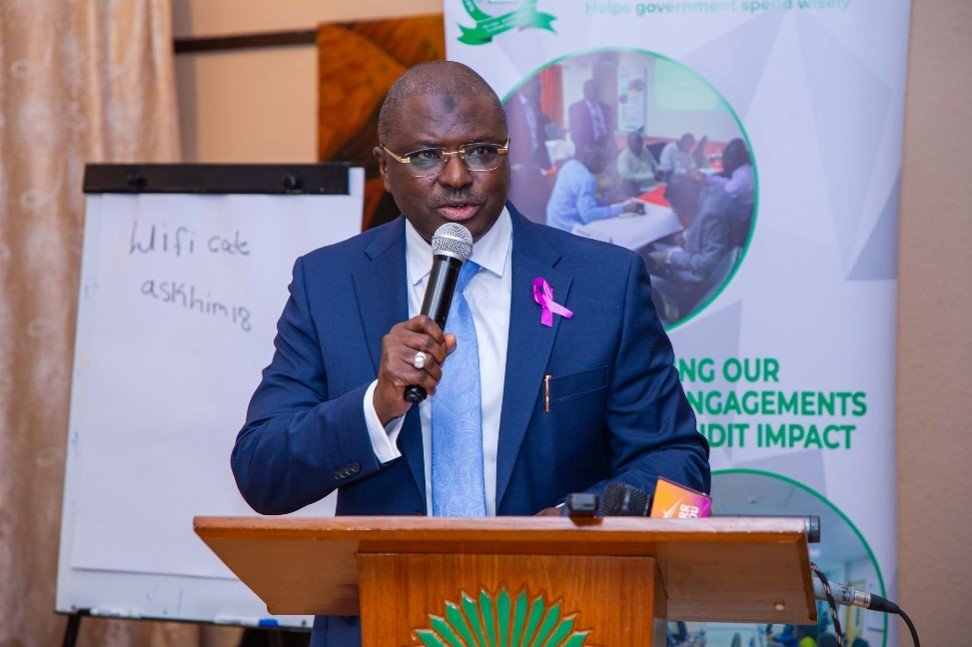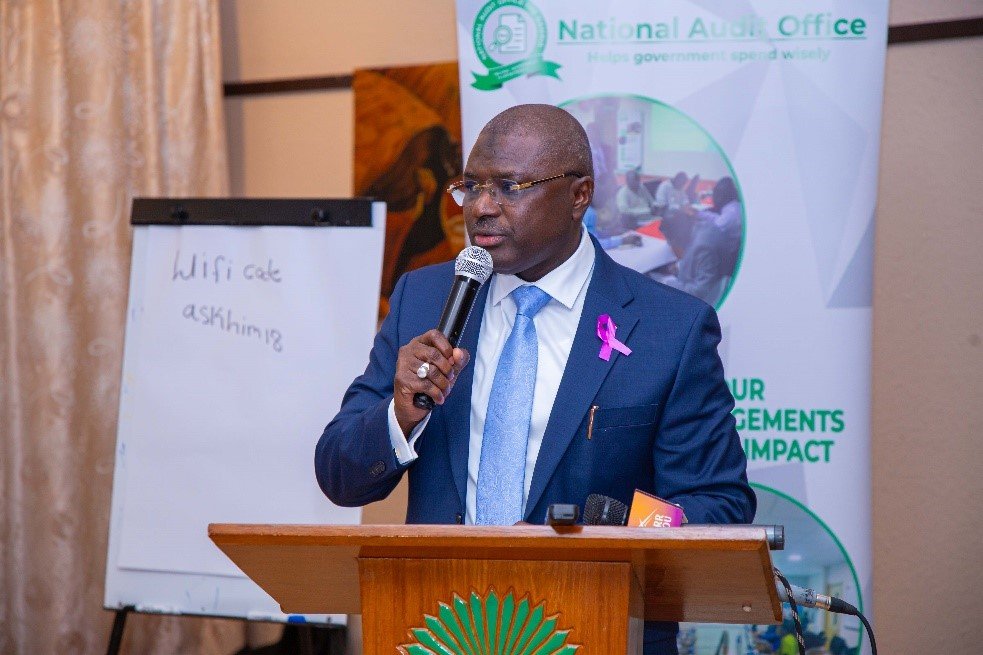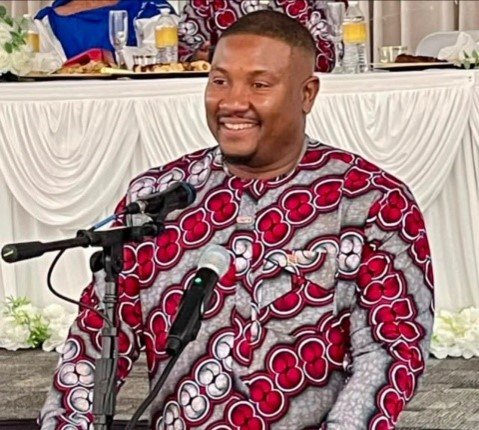
The Party leader of the Unite Movement for Change (UMC), Mayor Talib Ahmed Bensouda, has said his party will not join any political coalition formed solely to remove President Adama Barrow from office, insisting that any alliance must be founded on a shared vision, common principles, and a long-term plan for governing the country.
Speaking in an exclusive interview with Pa Ousman Joof of Gambian Talents Promotion during UMC’s first event in Seattle, Bensouda said he has no regrets about the 2016 coalition that brought opposition parties together to defeat former President Yahya Jammeh.
According to Bensouda, the objective of the 2016 coalition was clear, to end Jammeh’s rule and restore democracy, and that objective was achieved.
“I have no regrets about 2016,” he said, explaining that the political circumstances at the time were unique. However, he stressed that today’s political environment is different and that he would not support a coalition created simply for the sake of removing the current president.
“If I join any coalition, it has to be with people whose vision aligns with ours,” he said, adding that UMC is committed to building a coalition capable of delivering lasting reforms rather than a short-term political arrangement that could quickly collapse.
Bensouda revealed that UMC is currently engaged in discussions with several political parties with whom their mission aligns but declined to disclose their identities, saying the conversations are ongoing.
Reacting to recent comments by the UDP leadership that the party would only participate in a coalition it leads, Bensouda said the UDP is within their rights and are entitled to their position. However, he made it clear that he does not support an approach where one party dictates the terms of a coalition.
Instead, he argued that all parties should come to the negotiating table as equals and work together to build consensus. If such consensus cannot be reached, he said, each party should be free to go on their own.
Bensouda also cautioned political leaders against forming separate negotiating blocs during coalition discussions, warning that such an approach could complicate the process and make it more difficult to reach a meaningful agreement.
The UMC leader emphasised that any future coalition should be carefully structured, transparent, and based on a common vision for The Gambia’s future rather than political expediency.