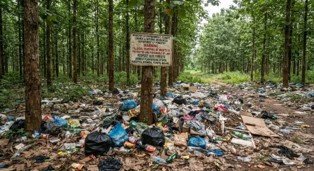
In the heart of Brikama, Nyambai Forest Park has long stood as one of The Gambia’s most cherished ecological reserves. Established in 1954 and spanning over 200 hectares, the forest is more than just a patch of greenery; it is a lifeline for communities, a sanctuary for biodiversity, and a symbol of national heritage. Yet today, this treasured landscape faces mounting threats from reckless dumping, encroachment, and neglect.
A forest of rich value, Nyambai Forest is classified as an IUCN Category IV protected area, meaning it is managed primarily for habitat and species conservation. Its dense canopy provides shade and oxygen, while its underground aquifers recharge vital water supplies for Brikama and surrounding communities.
Medicinal plants, wildlife habitats, and eco-tourism opportunities make it a hub of both ecological and cultural importance. For residents, the forest is more than an environmental asset; it is a place of recreation, tradition, and livelihood.
Walking trails, bird watching, and community gatherings have long tied Nyambai to the social fabric of Brikama.
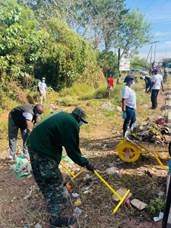
Lt. Colonel Salifu Corr, Director of Forestry, recently condemned these practices during a cleansing event at Nyambai. “We must change our attitudes towards waste management,” he declared, urging staff to remain vigilant and take action against misconduct. His words reflect a growing concern that without collective responsibility, Nyambai’s future hangs in the balance.
The cleansing event, organised by the Forestry Department alongside community members, was both symbolic and practical. Volunteers collected waste, restored trails, and raised awareness about the dangers of environmental neglect.
Such initiatives are part of broader efforts tied to the Nagoya Protocol/ABS framework, which promotes fair sharing of benefits from genetic resources. By linking conservation to community benefits, the framework encourages locals to see themselves as custodians of biodiversity.
The recent remarks by Lt. Colonel Corr serve as a wake-up call. Protecting Nyambai Forest requires more than policy; it demands a shift in public attitudes, stronger enforcement, and active community participation. As Brikama grows, the forest’s survival will depend on whether citizens choose to see it as disposable land or as a shared treasure worth defending.
Nyambai’s story is ultimately about stewardship. If Gambians embrace the responsibility of guardianship, this forest can continue to thrive as a green jewel for generations to come.