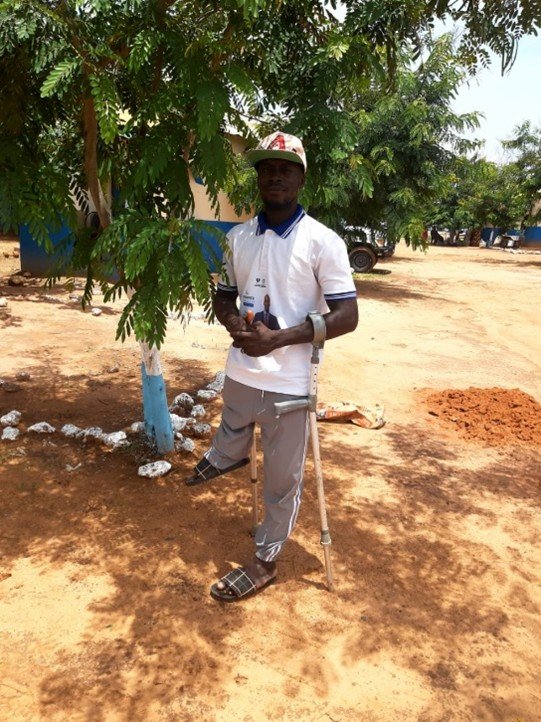
Mohammed Baldeh, a youth leader from Brikamanding village in the Central River Region (CRR), has called for stronger inclusion of persons with disabilities in decision-making and electoral processes across The Gambia. Speaking as a regional representative of the RYC, Baldeh emphasised that while young people are often sidelined in politics, those with disabilities face even greater marginalization.
“Inclusion and participation of persons with disabilities in this region, and the country at large, is very minimal,” he explained. “Visually impaired, hard of hearing, and wheelchair users are often left out. But I know the value and capability of persons with disability, and I want to be a role model for others to participate in every youth activity.”
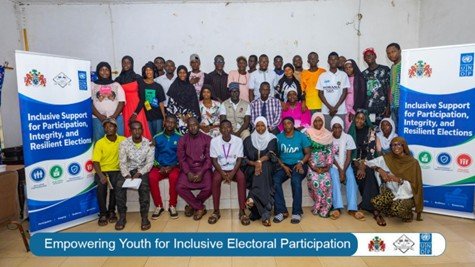
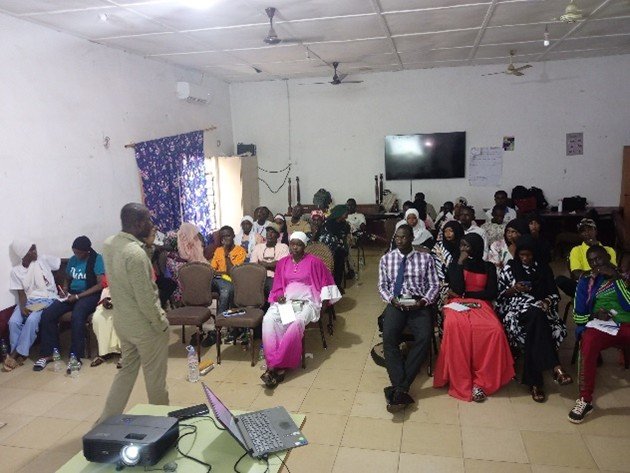
Baldeh, who is currently attending a training program on civic engagement with National Council for Civic Education (NCCE) supported by the United Nations Development Program (UNDP), said his expectations are to be enlightened about the electoral process and to share that knowledge with his community. “My role is to inform and enlighten people about the value of elections and how to protect the peace and harmony we have in our beloved Gambia,” he noted.
On youth participation, Baldeh observed that many young people remain frustrated and disengaged. “Most of the time, youths sit down saying governments are all the same. But we need to enlighten them about the value of elections. Once they understand, those who are lagging behind will also deem it necessary to participate.”
He also called for the National Council for Civic Education (NCCE) to intensify its efforts. “Their work is good, but we still need them to speed up so that many who are still uninvolved can be reached,” he said.
As the country approaches another election cycle, Baldeh urged fellow youths to prioritize peace and harmony. “Elections cannot be conducted without peace. People cannot vote without peace. We must avoid bribery and vote for leaders who will truly represent us. Persons with disabilities are not represented, and that must change. He who feels it, knows it.”
Baldeh concluded with a strong appeal: “Youths are the future leaders. Let us protect peace and harmony, and let us ensure that everyone including persons with disabilities has a voice in shaping the future of The Gambia.”