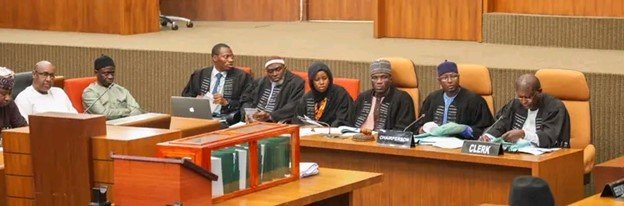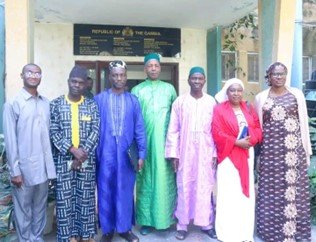
The Ministry of Lands, Regional Government and Religious Affairs today (4 March) officially launched the National Physical Planning Board in Banjul.
The board is set up to bring order into physical planning in The Gambia, addressing issues like unplanned settlements and infrastructure development.
The establishment of the board is part of The Gambia’s efforts to improve land governance and management, following the launch of the National Land Policy in December 2025. This policy seeks to promote transparency, accountability, and fairness in land administration.
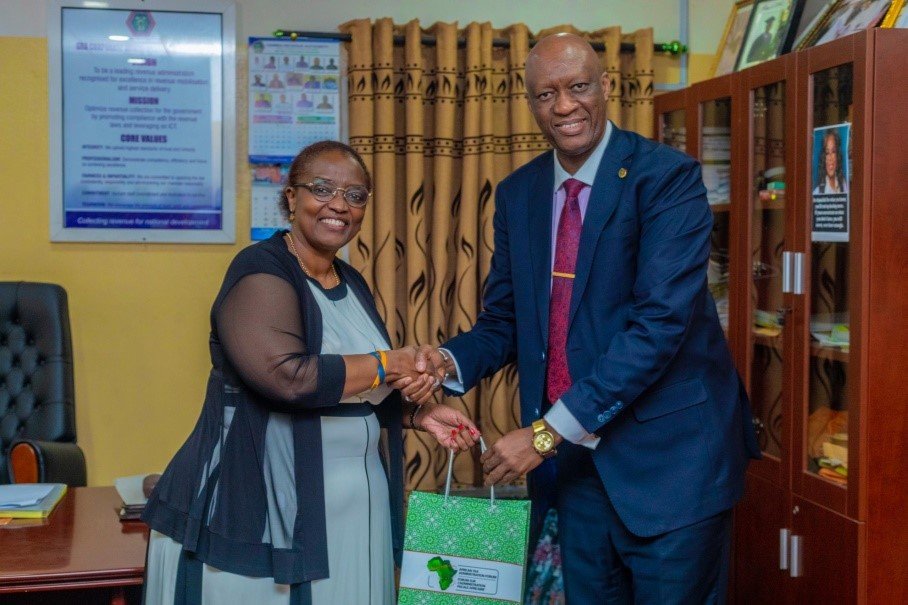
The event was presided over by the Minister of Lands, Regional Government and Religious Affairs, Hamat N.K. Bah, who described the occasion as a major milestone towards strengthening national spatial planning and ensuring orderly and sustainable development across The Gambia.
In his remarks, the Minister emphasised that the establishment of the Board is in fulfillment of the Physical Planning and Development Control Act of 1991, which mandates the creation of planning authorities to regulate land use and physical development nationwide.
The Board is responsible for authorizing and directing the preparation of the National Plan, as well as local and development plans that guide land use across the country. The Board also advises the Minister on general physical development policy and oversees the proper administration of the Act.
Minister Bah acknowledged that the Board previously faced operational and logistical challenges but assured members that these issues had now been resolved.
“Today, I am pleased to inform you that outstanding matters have been resolved,” he stated. This is an important step towards strengthening our systems and ensuring more effective service delivery.”
The Minister stressed that proper planning remains central to national development. Cities, towns, forest parks, and transportation systems must be guided by clear planning frameworks to prevent disorder and unsustainable growth. He further reaffirmed Government’s commitment to implementing the National Land Policy and advancing digitalization to enhance transparency and efficiency in land administration.
Although the Board Chairman Momodou S. Jobe was out of the country at the inauguration of the board, the Minister reassured members that the work of the board will continue without interruption.
Speaking on behalf of the Chairman, board member and former permanent secretary, Saikou K. Sanyang, described the Board’s responsibility as significant and far-reaching: “The physical development of our country is not accidental. It is shaped by the decisions we take, the standards we enforce and the vision we uphold.”
He outlined key priorities including strengthening development control, ensuring fair and consistent application of planning laws, guiding national spatial development while protecting river systems and coastal zones, and promoting transparency and professionalism in land use and infrastructure development.
The ten-member Board comprises Foday A. Jallow, Saikou K. Sanyang, Fansu Sanneh, Ada Gaye, and Momodou S. Jobe as Chairperson, alongside five ex-officio members representing the Ministry of Lands (two members), and the Ministries responsible for Justice, Environment, and Agriculture, each with one representative.
The inauguration of the National Physical Planning Board signals a renewed commitment to structured growth, environmental protection, and inclusive national development for The Gambia.