Gambian children with disabilities have continued to grapple with systemic barriers that often prevent them from attending school.
These barriers range from inaccessible infrastructure to limited inclusive policies, poor roads and lack of mobility aids. This situation is even worse in the rural areas, where this reporter encountered a 23‑year‑old Gambian student who has been forced to abandon her education despite excelling in national exams, after poverty and disability made daily travel to school impossible.
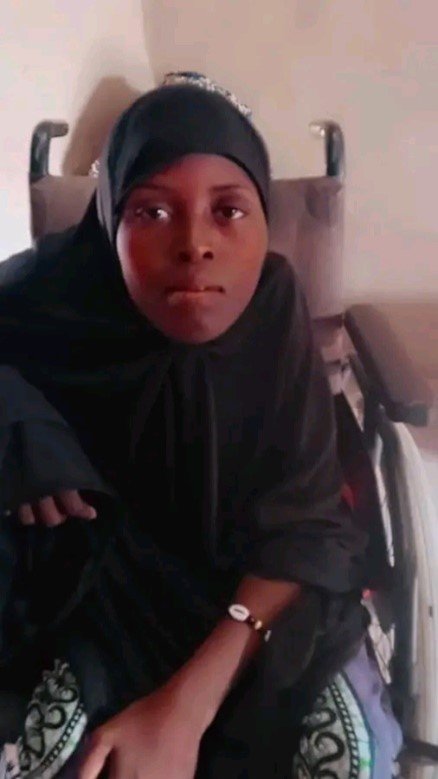
Jarra A. Bah, from Sibito village in Kiang Central, Lower River Region (LRR), passed her Gambia Basic Education Certificate Examination but has been unable to continue her studies. A wheelchair user, she says the nearest school is nine kilometres away a distance she cannot manage without reliable transport.
“Moving long distances in a wheelchair is physically exhausting. There are days I arrive late or miss classes entirely because I simply cannot get there on time,” she said.
Her family supported her through primary and junior secondary school, but the burden of transporting her daily has become overwhelming. Costs of books, uniforms and transport have further compounded the challenge, leaving her excluded from education.
“I find it difficult to stay in school and access the support I need,” she said.
Across rural Gambia, children with disabilities face systemic barriers, from inaccessible infrastructure to limited inclusive policies. Poor roads and lack of mobility aids often prevent them from attending school.
Despite the setbacks, Jarra remains determined. She says access to wheelchair‑friendly transport, learning materials and inclusive boarding facilities would allow her to return to school.
Jarra’s situation is heartbreaking, but there are efforts underway to address these challenges. The Gambia has laws in place, like the 2021 Persons with Disabilities Act, guaranteeing equal rights to education for people with disabilities. Organizations like Catholic Relief Services (CRS) and the Gambia Federation of the Disabled are working to implement inclusive education policies and provide support.
However, more needs to be done to address infrastructure gaps, like the distance to schools, and to ensure reliable transport options are available.
In The Gambia, students with disabilities face significant barriers to education, including inaccessible schools, lack of assistive devices, and insufficient teacher training. The country’s poverty rate exacerbates these challenges, making it tough for families to support their children’s education.
The Gambia has made progress with the 2021 Persons with Disabilities Act, guaranteeing equal rights to education, healthcare, and employment for people with disabilities. Organizations like Catholic Relief Services and the Gambia Federation of the Disabled are working to implement inclusive education policies and provide support.