Nine years ago, The Gambia’s health system stood on shaky ground. Hospitals were crumbling, equipment was scarce, and the country faced a dire shortage of specialist personnel. For many citizens, accessing even basic medical services meant long waits, inadequate facilities, and limited emergency response.
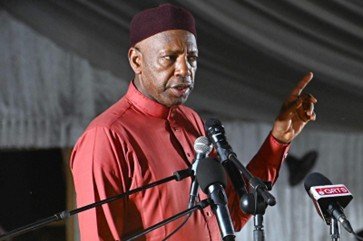
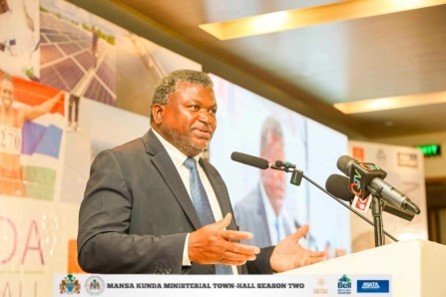
Today, the landscape looks markedly different. At the MansaKunda Ministerial Town Hall Meeting in Bijilo, Health Minister Dr Amadou Lamin Samateh painted a vivid picture of a sector in transition, one that has moved from survival to ambitious expansion. “We inherited very difficult conditions, but we decided to move rapidly because health services cannot wait,” he told the gathering.
Building a Modern System
The government’s investments have reshaped healthcare delivery across the nation. Eighty ambulances have been distributed to hospitals nationwide, ensuring faster emergency response. Health centres have been renovated and new ones constructed, bridging gaps in rural and urban communities alike.
The crown jewel of this transformation is the Farato Hospital. Its first phase is complete and awaiting inauguration, with plans for a 1,500-bed capacity, 20 intensive care units, a biomedical engineering centre, and a modern clinical waste management system. For a country that once struggled with basic infrastructure, this represents a leap into advanced medical care.
Human Capital and Confidence
Beyond bricks and mortar, the reforms have focused on human resource development. Training programs and recruitment drives aim to fill the gap in specialist personnel, while modern facilities are expected to attract Gambian professionals working abroad to return home.
This investment in people is critical. A resilient health system depends not only on equipment but also on skilled doctors, nurses, and technicians who can deliver care with confidence.
A Regional Vision
Dr Samateh’s remarks suggest a broader ambition: positioning The Gambia as a regional leader in healthcare. With advanced facilities, improved emergency response, and modern waste management systems, the country is setting a benchmark for its neighbours.
The reforms also carry symbolic weight. For citizens who once felt neglected by a failing system, the visible transformation restores trust and signals that healthcare is a national priority.
Looking Ahead
Challenges remain from sustaining funding to ensuring equitable access across rural communities. Yet the trajectory is clear: The Gambia’s health sector is no longer defined by crisis but by transformation.
As Dr Samateh emphasised, the government’s commitment is not just about infrastructure but about building a system capable of meeting the country’s growing health needs. For Gambians, this means a future where modern medical services are not a distant promise but a lived reality.