The Gambia has taken a historic step in its democratic transition with the validation of the State Intelligence Service (SIS) Bill 2026, a landmark piece of legislation designed to transform the SIS into a modern, accountable, and trusted institution.
The Bill, hailed as a cornerstone of the country’s security sector reform agenda, provides the SIS with a clear legal framework to safeguard national security while upholding human rights and democratic oversight.
A Turning Point for National Security
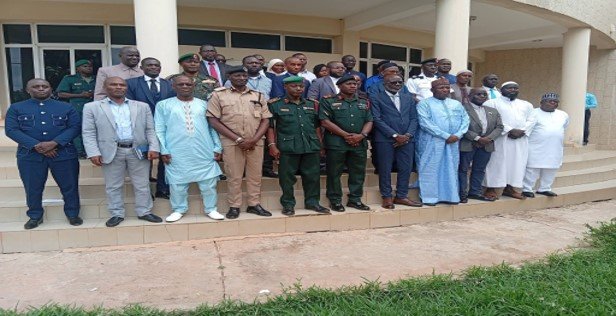
The validation workshop, held at the NANA conference hall, brought together the National Security Adviser, the Chief of Defence Staff of the Gambia Armed Forces, members of the National Assembly Select Committee on Defence, senior government officials, civil society, and security partners.
Director General of SIS, Ousman Sowe, described the Bill as “another significant milestone in our ongoing efforts to reform, recast, recalibrate, and reposition the State Intelligence Service as the premier intelligence service of The Gambia.”
He stressed that the evolving security environment marked by threats such as terrorism, organised crime, cybercrime, and violent extremism requires a professional intelligence service operating under robust legal boundaries.
Embedding Democratic Oversight
National Security Adviser Abubakarr Suleiman Jeng underscored the importance of the Bill in addressing today’s complex threats. He highlighted that the legislation embeds constitutional safeguards, explicitly prohibiting torture, unlawful detention, and political targeting, while requiring judicial warrants and oversight for intrusive measures.
“The SIS Bill provides the Service with a clear mandate to detect, prevent, and advise on threats to national security, protecting the welfare of citizens, institutions, and peace,” Jeng said. “It ensures intelligence decisions no longer happen in the dark.”
The Bill also mandates merit-based recruitment, professional training, and ethical standards, positioning the SIS as a non-partisan institution trusted by all Gambians.
Parliamentary Support:
National Assembly Member Almameh Gibba, representing Foni Kansala, praised the Bill as more than just legislation. “It is about shaping the future of intelligence governance in The Gambia,” he said.
He emphasised that the transformation of the former National Intelligence Agency into the SIS represents an institutional overhaul strengthening professionalism, operational efficiency, and democratic accountability.
Building Trust at Home and Abroad:
Observers hailed the Bill as a bold step in consolidating democratic gains since 2016, building public trust, and enhancing The Gambia’s credibility with regional and international partners.
The SIS Bill is expected to become a cornerstone of the country’s national security architecture, balancing the fight against terrorism and cyber threats with the protection of citizens’ freedoms.
This development marks a decisive moment in The Gambia’s reform journey, positioning the SIS as a professional intelligence service dedicated to safeguarding peace, security, and democracy.