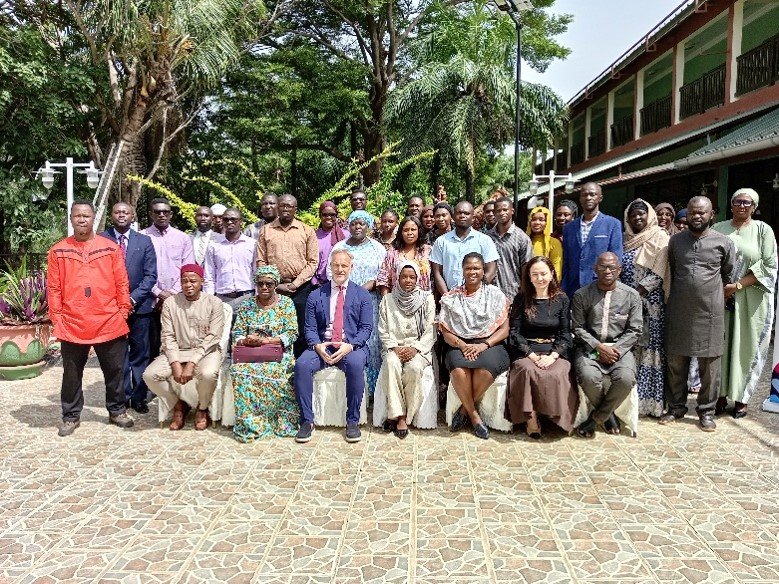
The International Trade Centre (ITC), in partnership with the European Union and the Ministry of Tourism, Arts and Culture, has officially opened a three‑day workshop, at a hotel in Kololi, aimed at developing The Gambia’s first post‑creative industry policy.
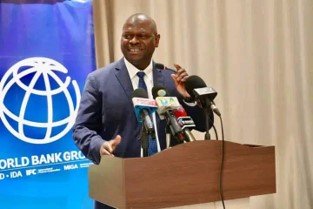
Speaking at the opening ceremony, ITC Country Representative Yusupha Keita emphasised the importance of the initiative in unlocking the potential of the nation’s creative sector. “This policy will help unleash talents, protect creative work, support commercialization, and contribute meaningfully to national development,” he said.
The ITC, through the European Union Youth Empowerment Project, is working to strengthen key institutions such as the Ministry of Tourism, Arts and Culture, the National Centre for Arts and Culture, the Music Union, the Collecting Society, and the Arts Academy. These institutions are seen as vital pillars for the growth and regulation of the creative sector.
The workshop builds on recommendations from last year’s dialogue in Bakadagi, which called for greater investment in skills and infrastructure. Training programs for sound engineers, music producers, vocalists, and artisans including weavers, fashion designers, and tie‑dye specialists are set to begin next month with support from international experts.
Keita stressed that the forthcoming policy framework will not remain abstract but will directly address the realities of creative practitioners. “It will define how musicians, artisans, and event managers are registered, financed, protected, and connected to markets,” he explained.
The ITC representative expressed gratitude to the European Union for its continued support, as well as to the Ministry of Tourism, Arts and Culture for its leadership. He also acknowledged the Ministry of Trade, Regional Integration and Employment, the technical core team, and creative associations for their contributions.
The workshop is expected to produce a robust policy framework that will guide the future of The Gambia’s creative industries, ensuring they play a central role in economic growth, cultural preservation, and youth empowerment.
Speaking on behalf of the Ministry, Deputy Permanent Secretary Isatou Drammeh welcomed participants and underscored the importance of the gathering. She extended appreciation to the International Trade Center (ITC) for its continued partnership and to the European Union (EU) for its generous support through the EU’s EF project on tourism and the creative industry.
“This collaboration has been instrumental in bringing us to this milestone,” Drammeh said. “Today marks the peak of a journey that began with a clear recommendation: that the Gambia’s creative industry is not merely a source of cultural pride, but a powerful and underutilized engine for economic growth, job creation, and national identity.”
Since 2024, the Ministry has worked with stakeholders through regulated assessments, public-private dialogue, and the dedicated efforts of the Technical Committee. These collective actions have laid a robust foundation, moving from identifying challenges to forging accords and drafting a concrete policy framework.
The workshop’s purpose is clear: to rigorously review and validate the draft framework. Drammeh emphasised that this is not a symbolic exercise but a vital step in a “whole-of-nation approach” to shaping the future of the creative economy.
She highlighted the guiding principles of inclusivity and sustainability, stressing that the policy must create quality jobs and pathways for youth and women, foster investment and market access, and protect the country’s rich cultural identity. Importantly, the framework aims to position Gambian creative entrepreneurs to compete effectively within the African Continental Free Trade Area and beyond.
“This workshop is our opportunity to ensure that the policy is pragmatic, believable, and actionable,” Drammeh urged. “I encourage all participants to engage fully, share expertise openly, and contribute to a final framework that is ambitious and truly reflective of the Gambia’s aspirations.”
The Ministry expressed confidence that by the end of the workshop, stakeholders will validate a policy framework capable of unleashing the full potential of the creative industry for generations to come.