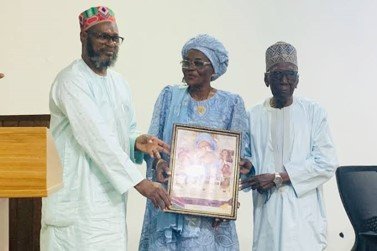
The Writers Association of The Gambia (WAG) Saturday celebrated the life, times and literary contributions of eminent Gambian writer and literary icon, Juka Fatou Jabang, at the Paradise Suites Hotel in Senegambia.
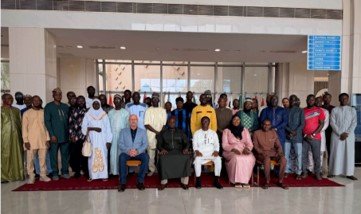
Held on the theme ‘Our Stories, Our Heritage, Our Future,’ the historic occasion, moderated by Justice Joof, brought together members of the literary community, family members, students and other guests to honour Jabang’s contribution to Gambian literature and also reflect on the importance of preserving the country’s literary heritage.
Speaking at the celebration was Juka Fatou Jabang herself. She reflected on her relationship with the written word, saying her interest in it was captivated by its power as a tool for communication, self-expression, knowledge acquisition and understanding.
Kodou, her daughter, paid tribute to her, highlighting how being a wife and mother never stopped her mother from pursuing her dreams and building her career.
Kodou also recalled the pride she and her sister felt whenever their mother published a book and featured them on its cover, describing those moments as memorable experiences from their childhood.
Historian and writer Hassoum Ceesay, who delivered his remarks in Wolof, also testified to Jabang’s influence and support in his own career. He recounted how she had been helpful and supportive to him as he developed professionally.
The celebration also highlighted Juka Fatou Jabang’s continued involvement in the literary community, with attendees learning that she currently serves as the Vice President of WAG.
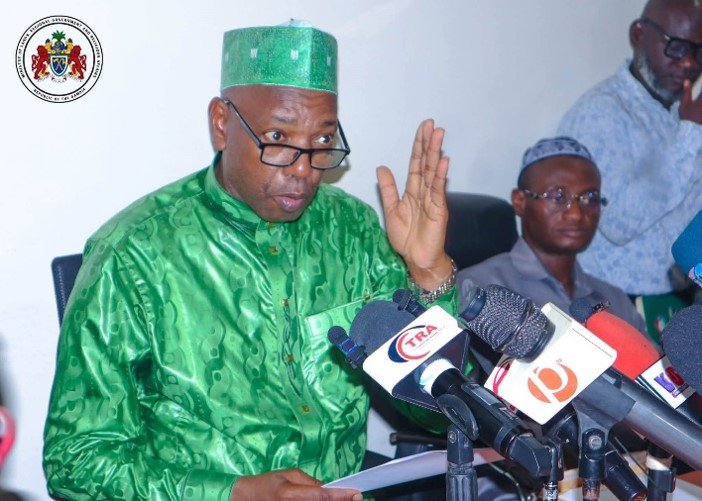
The President of WAG, Professor Cherno Omar Barry, used the opportunity to urge young Gambians to develop a love for reading, particularly reading books written by Gambian authors.
Professor Barry drew attention to the challenges surrounding access to Gambian literature in schools, saying: “Our school libraries, where they exist, are too often locked rooms with outdated books, and they are never read.”
He further questioned the possibility of young people discovering Gambian books if they are not available through the school curriculum or libraries. “If we don’t have it in the libraries, we cannot find it,” he said.
His remarks highlighted the importance of making Gambian literature more accessible to students through school libraries and the academic curriculum.
Meanwhile, a defining highlight of the celebration was a reading of Juka Fatou Jabang’s poem ‘The Repeal’ by her granddaughter, Kodou.
The reading added a personal and intergenerational dimension to the celebration, as Jabang’s literary work was presented by a younger member of her family.
The vote of thanks was delivered by Jabang’s son, who also named his daughter after her. In his tribute, he described his mother as a loyal wife to his father and a fair parent to her children.
He recalled how Jabang ensured both her male and female children participated in household chores, with the children taking turns in carrying out responsibilities at home.
The different tributes from different individuals portrayed Juka Fatou Jabang not only as a writer but also as a mother, wife, mentor and supporter of others within the literary community.
The celebration served as an opportunity to honour Jabang’s literary journey in The Gambia while drawing attention to the broader importance of reading, supporting Gambian writers and ensuring that the country’s stories and literary heritage remain accessible to future generations.