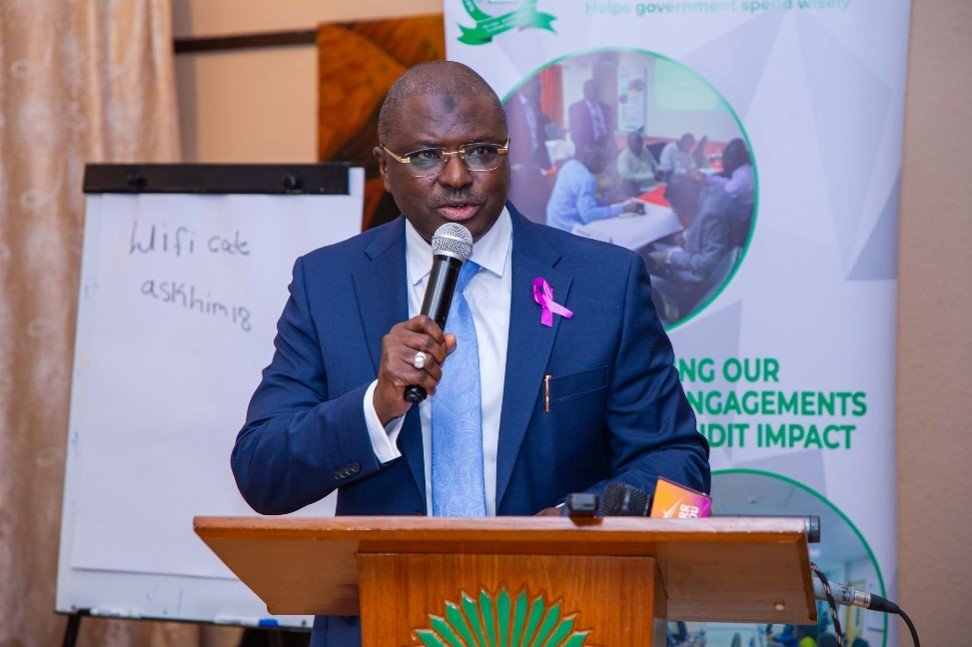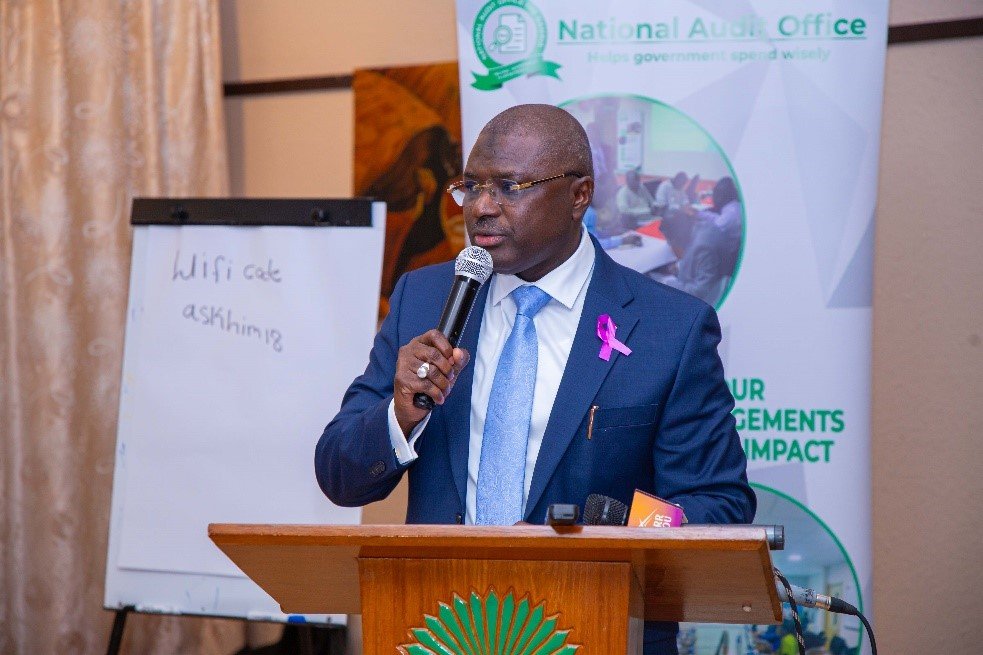
Chief Civic Education Officer at the National Council for Civic Education (NCCE), Yusupha Bojang, has raised concern over the growing number of undecided voters, particularly among young people. Despite the existence of nearly 30 political parties in the country, he noted that many youths remain indifferent or undecided about their political choices.
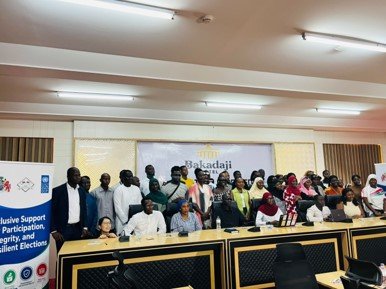
Speaking at a youth engagement forum on Tuesday at a local hotel, organised by the NCCE and supported by United Development Program (UNDP), Bojang emphasised that elections are not merely routine events but “a formal, very critical decision-making process” that shapes both the present and the future of the nation.
“It is high time for all of us to get off the fence and do something,” Bojang stressed, pointing out that civic education is not the sole responsibility of institutions but of every citizen. He urged Gambians to reach out to their peers, encourage participation, and help foster a culture of active citizenship.
Bojang emphasised that democracy thrives when citizens, especially the youth, take ownership of their role in shaping the nation’s future. He called on communities to recognize that disengagement poses risks to democratic development, and that peer-to-peer encouragement can be a powerful tool in mobilizing participation.
Mr. Bojang, has underscored the critical role of young people in the upcoming elections scheduled for December 5th. Speaking at a youth engagement forum, Bojang emphasised that elections are not merely routine events but “a formal, very critical decision-making process” that shapes both the present and the future of the nation.
He highlighted the importance of civic responsibility, noting that under Section 26 of the Gambian Constitution, every citizen of full age and capacity has both the right and duty to participate in elections whether by voting or standing as a candidate. He further referenced Section 25, which guarantees freedom of association, reminding citizens that they are free to align with any political group of their choice.
Statistics, Bojang noted, reveal the demographic weight of young people in Gambian society. Over 60% of the population is youth, and in the 2021 voter register, they accounted for approximately 57% of registered voters a figure likely to rise with supplementary registration. “We are not a lesser number. In fact, we are the majority,” he declared, calling young people to translate their numerical strength into meaningful electoral influence.
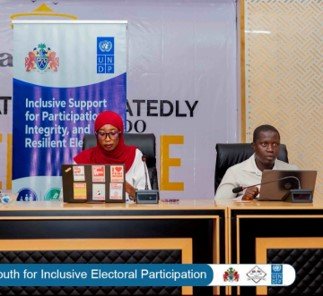
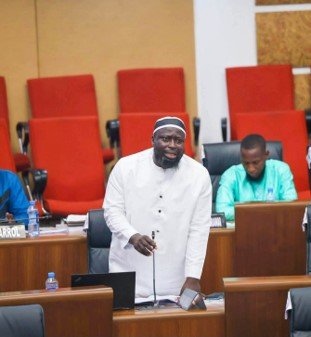
The engagement, themed Youth Engagement for Inclusive Electoral Participation, drew a strong turnout, which Bojang described as a testament to the readiness of young Gambians to move beyond the sidelines and actively shape the nation’s democratic future. He concluded by urging youths not only to vote but to accompany the electoral process “up to its logical conclusion,” ensuring that their voices are heard and their rights upheld.
His remarks serve as a reminder that civic responsibility extends beyond voting it involves dialogue, awareness, and collective action to strengthen democratic values.