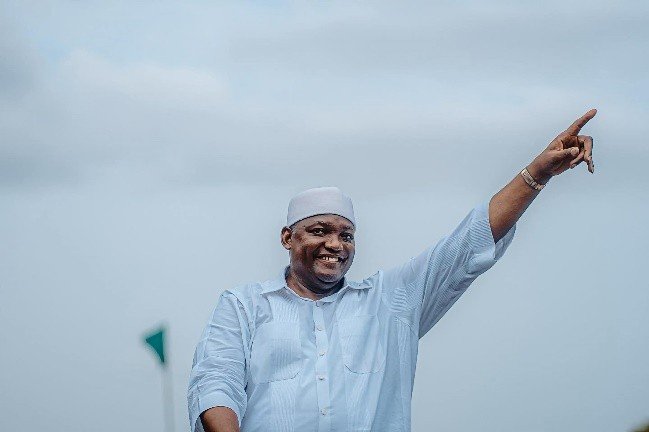
President Adama Barrow has returned to the West Coast Region as his nationwide Meet-the-People Tour enters a new phase, following the completion of his engagements across rural Gambia.
The President was welcomed on Saturday as his convoy made its way back towards Banjul, marking a transition from meetings with provincial communities to engagements in the country’s most populous region.
Rural Engagements Highlight Development Needs
During the first leg of the tour, Barrow met residents across several regions, listening to concerns about roads, electricity, healthcare, water supply, agriculture, and youth empowerment.
In the Central River Region, communities appealed for improved road access to farming areas, better healthcare facilities, and electricity connections to settlements still off the national grid. Barrow assured residents that their needs would be considered as part of ongoing government programmes.
In the Lower River Region, the President described the completion of the 200-kilometre Kabada roads project as a major milestone and pledged to extend electricity to unconnected communities.
Focus Shifts to West Coast Region
Attention now turns to the West Coast Region, where water infrastructure and other development projects are on the agenda. According to the published itinerary, Barrow is scheduled to inaugurate elevated water storage facilities in Brikama, Nema Su, and Banjul, aimed at improving water supply reliability.
The programme also includes visits to health facilities and other development projects, underscoring the administration’s emphasis on service delivery.
Political Context
The tour comes ahead of the December 2026 presidential election, placing Barrow’s record under increased public scrutiny. While the outreach allows the government to showcase achievements, it also provides communities with a platform to highlight gaps in service delivery and demand solutions to persistent challenges.
Observers note that the effectiveness of the exercise will depend not only on promises made during community meetings but also on whether those commitments translate into tangible improvements in people’s lives.
President Barrow’s return to the West Coast Region therefore marks an important transition in the nationwide outreach, as the administration continues to engage with communities and address development priorities across the country.