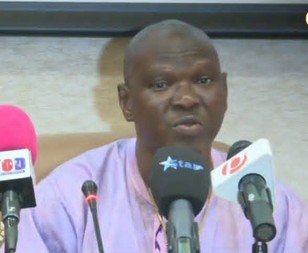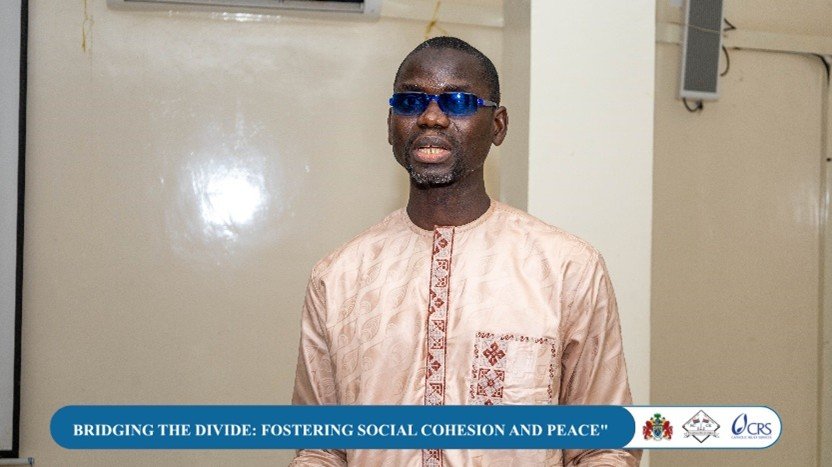
The Chief Civic Education Officer of the National Council for Civic Education (NCCE), Yusupha Bojang, has urged Gambians to embrace tolerance, responsible communication, and collective vigilance as the country prepares for the December 5, 2026 presidential election.
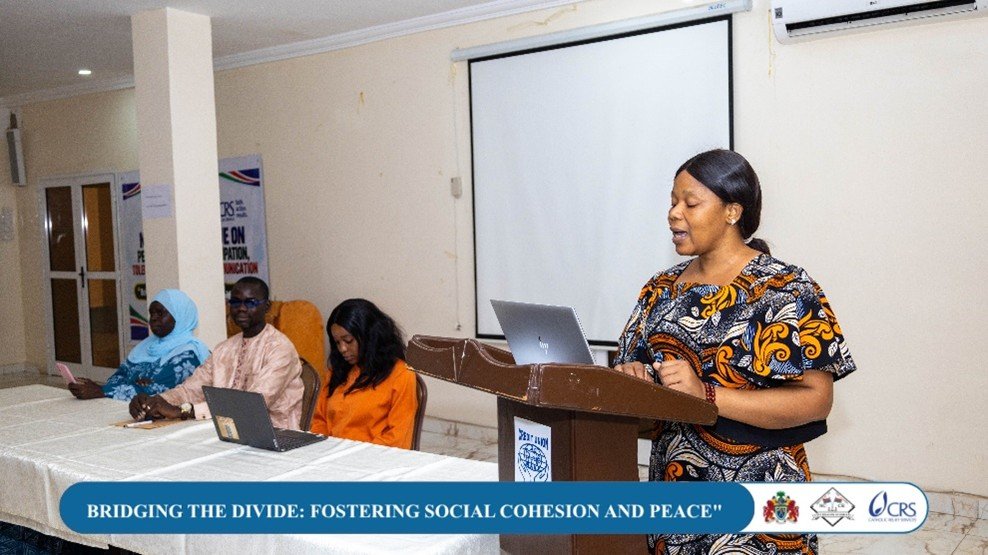
Speaking at a workshop themed “Bridging the Divide, Fostering Social Cohesion and Peace”, Bojang emphasised that elections must remain “a marketplace of ideas, policies, and development programmes, but never a battleground for insults, character assassination, regional bigotry, or ethnic polarisation.”
He expressed gratitude to the Catholic Relief Service for partnering with the NCCE in organizing the dialogue, describing their support as “a shared patriotic dedication to safeguarding our democracy and nurturing the peace we all cherish.”
Bojang warned against the rising use of divisive language in political discourse, stressing that words are not neutral. “Words possess the extraordinary power to either build bridges of understanding across our differences, or dig deep, bitter trenches of division. When we weaponise words, we wound our collective soul,” he said.
Recent early warning analysis and electoral hotspot mapping, Bojang revealed, show that 35 out of the country’s 53 constituencies are rated as high or very high risk. He called this “a critical concern that requires deep vigilance and utmost caution from all electoral stakeholders, especially political actors.”
The NCCE chief reminded political parties, leaders, and civic actors that the credibility and peace of the electoral cycle “do not rest on the shoulders of any single institution, not even the IEC. They depend entirely on the collective responsibility of every single person.”
He urged political leaders to publicly condemn hate speech and demonstrate peaceful engagement, setting an example for their supporters. “Political competition does not equal enmity. When we are competing, we are not enemies, but rivals,” Bojang declared.
Turning to the press, Bojang described journalists as “indispensable partners in civic education” and called on them to practice conflict-sensitive reporting, verify information rigorously, and deny platforms to divisive rhetoric. “If they don’t have a platform, those remarks will die a natural death,” he said.
As The Gambia counts down to the 2026 polls, Bojang’s message was clear: safeguarding democracy requires unity, vigilance, and a commitment to peace.
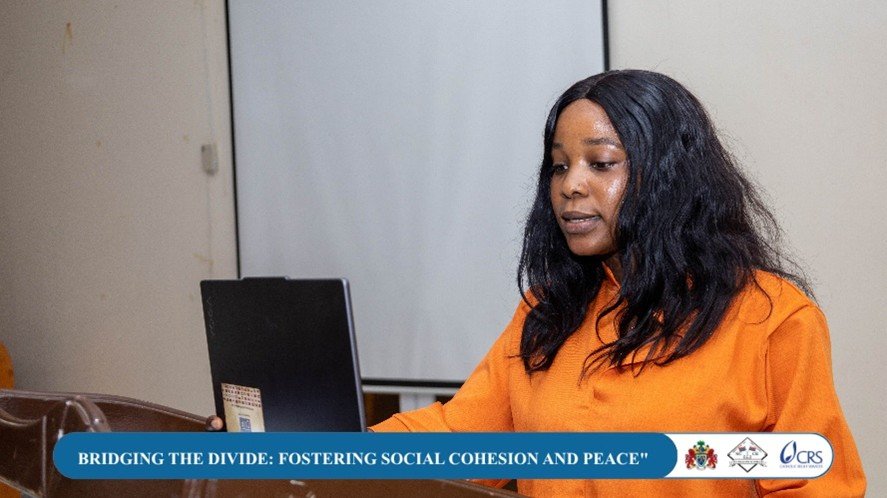
The Inter-Party Committee (IPC) has reiterated its dedication to fostering peace, inclusivity, and mutual respect as the foundation of The Gambia’s democratic journey. Speaking at a recent training session, IPC Co-Chair Ejatou Jallow emphasized the importance of dialogue and cooperation in overcoming divisions that threaten national unity.
“The IPC stands united in the belief that peace, inclusivity, and mutual respect are the cornerstones of a thriving democracy,” Jallow declared. “At a time when divisions threaten to weaken our collective strength, we reaffirm our commitment to fostering dialogue, understanding, and cooperation across all communities.”
She stressed that every Gambian regardless of gender, age, ability, ethnicity, or political affiliation
has the right to participate meaningfully in shaping the nation’s future. By bridging divides, she noted, the IPC aims to nurture social cohesion, strengthen trust among citizens, and safeguard the dignity of all.
The Committee pledged to reject violence, hate speech, and exclusion as tools of political competition, instead embracing dialogue, empathy, and collaboration as pathways to sustainable peace. Jallow highlighted the IPC’s resolve to build inclusive platforms that amplify the voices of women, youth, and persons with disabilities, ensuring leadership reflects the diversity of Gambian society.
“Together, we will build a peaceful environment where differences are not a source of conflict but a foundation for unity,” she affirmed. “Our collective vision is a society where diversity is celebrated, peace is sustained, and every citizen contributes to the democratic journey with dignity and hope.”
Concluding her remarks, Jallow encouraged participants to make the most of ongoing and future training, underscoring that such efforts are vital in shaping a Gambia that reflects the aspirations of its people and the promise of democracy.