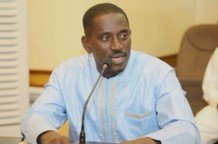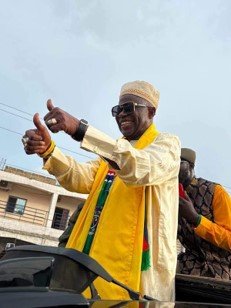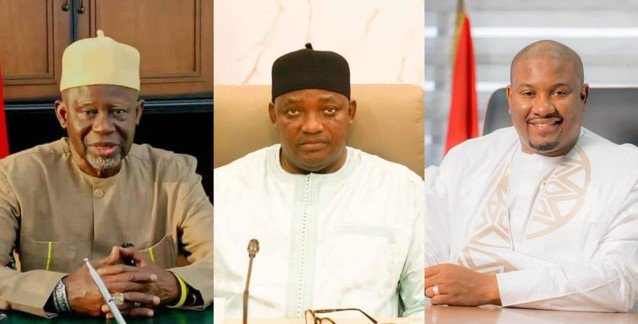
The People’s Progressive Party, PPP, has responded to Golden Era Party leader Saikou Sawo’s decision to leave and revive GEP.
In a statement dated July 22, 2026, the PPP said it respects Sawo’s decision and thanked him for his service.
However, the party also moved to clarify key issues raised in Sawo’s announcement.
“Alliance with UDP still under review”
The PPP confirmed that talks with the United Democratic Party, UDP, did take place through a Coalition Negotiation Committee set up by party leadership. A draft agreement was prepared.
But the party stressed that the agreement is not binding yet.
Under the PPP Constitution, any alliance must be approved by the party’s constitutional organs and signed by the Secretary General and Party Leader. Until that happens, the PPP has no final position.
“Any public representation suggesting otherwise did not constitute the official position of the Party,” the statement said.
According to the PPP, the advisory letter sent to Sawo was not about the UDP press conference topic. It was about authorization.
The party said Sawo publicly linked PPP to UDP in engagements and statements without informing the leadership. Party officials often found out after the fact, which created confusion among members.
The statement singled out Sawo’s appearance at the recent UDP press conference on voter registration. The PPP said he attended as the party’s Flag Bearer without informing or getting approval from the leadership.
“Under our Constitution, only the Secretary General and Party Leader, or an authorized representative, can speak on official party positions,” the PPP said. “No office bearer can unilaterally commit the party on matters still under consideration.”
The PPP explained that the Board of Trustees issued the advisory to protect party discipline and unity. Its role is to ensure the Flag Bearer respects constitutional obligations and does not make unauthorized representations.
The party said the letter was not meant to block cooperation or electoral reform.
“Adhering to our Constitution is not obstruction. It is how strong institutions are built,” the statement read. “No individual is above the party constitution.”
The PPP ended by reaffirming its commitment to consultation, accountability, and collective leadership. The statement was signed by Kebba Nanko, Director of Policy, Implementation, Media and Communications. PPP