The National Accreditation and Quality Assurance Authority (NAQAA) and the Social Security and Housing Finance Corporation (SSHFC) on Friday have signed a Memorandum of Understanding (MOU) aimed at enhancing governance, compliance, and employee welfare in The Gambia’s tertiary and higher education sector.
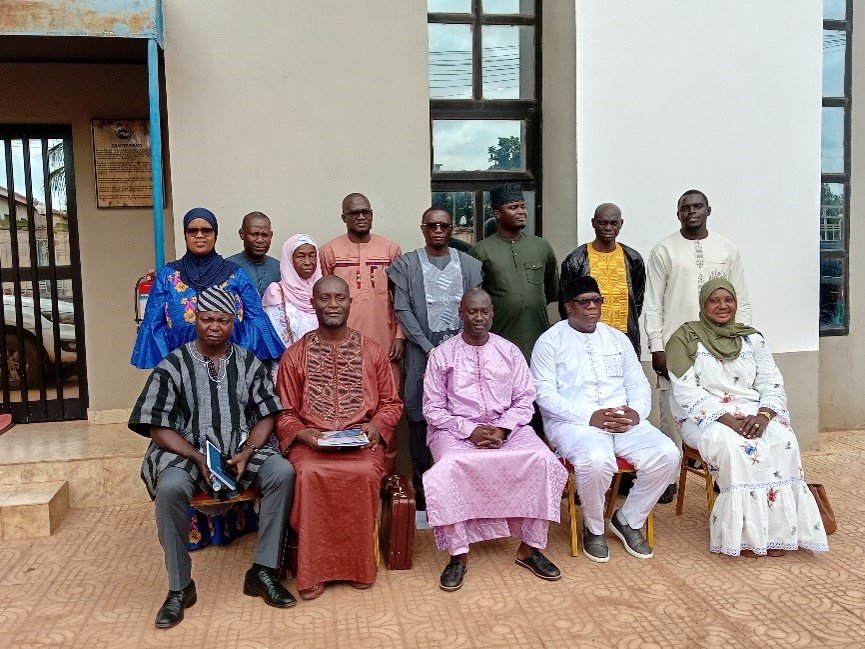
The signing ceremony was held at NAQAA office in Kanifing attended by the senior staffs from both institutions.
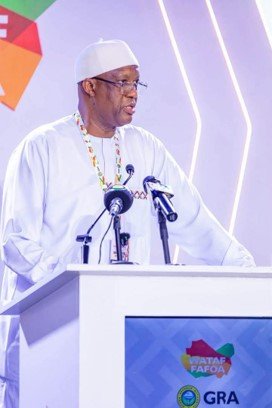
Speaking at the ceremony, Dr. Muhammad Lamin Taro, Chief Executive Officer of NAQAA, described the agreement as a strategic partnership built on shared values of accountability and national development. He emphasized that quality education must rest on sound governance and responsible management, noting that the collaboration will focus on compliance monitoring, information sharing, joint sensitization programs, and capacity building.
Dr. Taro highlighted that a joint technical committee will oversee implementation, ensuring that institutions not only meet accreditation standards but also fulfill statutory obligations to protect employees. “This partnership will serve as a model of effective interagency collaboration, contributing significantly to governance, compliance, and quality assurance in higher education,” he said.
SSHFC Managing Director, Mr. Saloum Malang, underscored the human dimension of the agreement, recalling cases where long-serving employees retired without social security benefits. He stressed that social protection is a human right recognized by the UN and a global target for universal coverage by 2030.
“In The Gambia, 86 percent of our workforce is in the informal sector, and even within the formal sector, coverage is incomplete. We must act decisively,” Mr. Malang stated. He outlined SSHFC’s strategies, including aggressive outreach, inspections, enforcement, and legal action against defaulters, all aimed at safeguarding workers’ rights.
Mr. Malang further explained that integrating compliance into accreditation processes through partnerships like this ensures that social security becomes a mandatory criterion for institutions. “Compliance must be seen not only as a legal requirement but as an investment in dignity, welfare, and long-term security,” he added.
Both leaders commended their technical teams for professionalism and dedication, stressing that success will be measured not by the signing ceremony itself but by tangible improvements in compliance, governance, and employee protection.
This MOU aligns with the government’s broader agenda of institutional accountability, decent work, and sustainable national development.