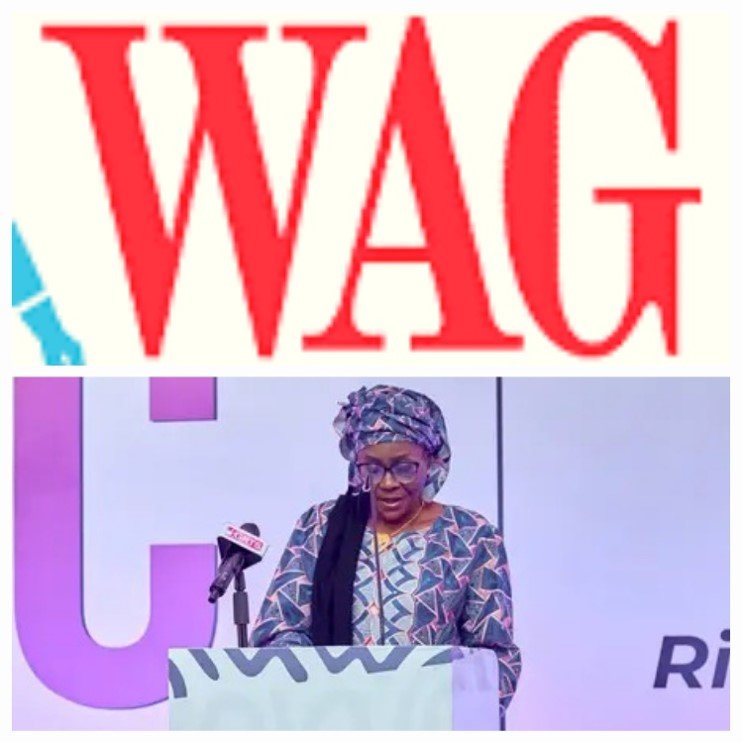
The Writers’ Association of The Gambia (WAG) has earmarked the much-awaited Gambia Literature Day to celebrate the life, times and writings of national literary giant, poet and author Madam Juka Fatou Jabang.
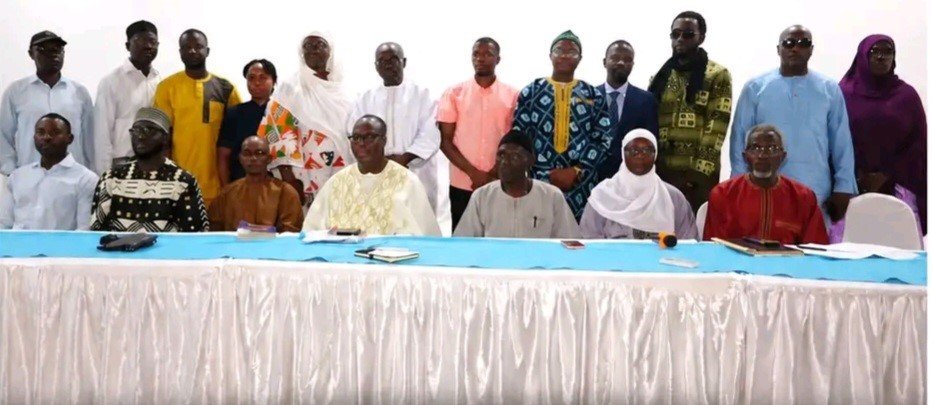
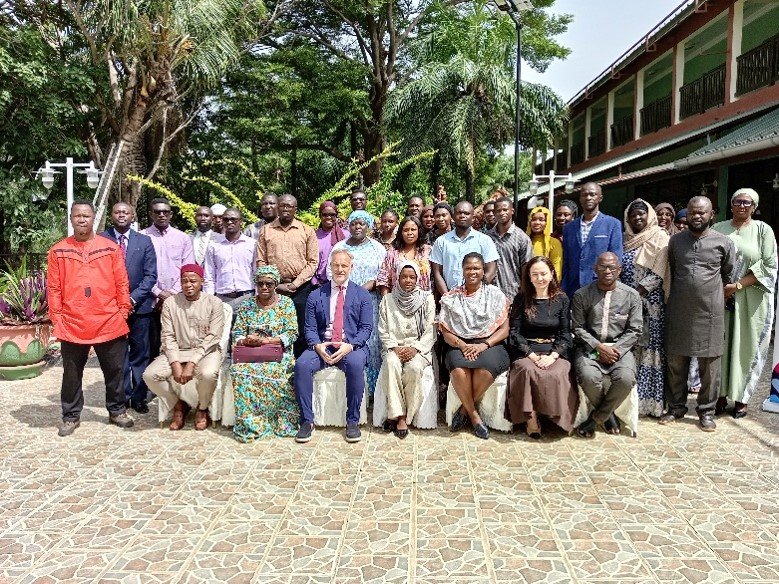
Taking place at the conference room of the West African International School on Saturday, September 26, the event is set to be graced by writers, authors, students, academics, literary scholars and top government functionaries.
Speakers will include Dr Cherno Omar Barry, professor of comparative literature and president of the WAG, who will deliver the welcoming and introductory statement; Juka F. Jabang, the one in whose honour the event will be held, who will deliver the keynote address; Dr Pierre Gomez, the Minister of Higher Education and a professor of comparative himself; and Muhammed S. Juwara, the secretary general of WAG, who will be conveying the vote of thanks.
The programme will feature readings of excerpts from the works of Juka by three different readers and the author herself, a question and answer session, spoken word poetry performances on literature, panel discussion on resetting Gambian cultural and social mindset in the school through literature, support statements (tributes) for Juka by relatives and colleagues writers, book signing by Juka and other activities, all geared towards honouring the legacy of the renowned Gambian author and inspiring the next generation of Gambian writers.
Who truly is Juka F. Jabang?
Madam Juka F. Jabang is a trailblazing Gambian educator, poet, author, and public and international civil servant.
Born in Banjul, Juka earned, through a government scholarship in the 1970s, a Bachelor of Arts in English Language and Literature from the Fourah Bay College, Sierra Leone. She further attained postgraduate certifications from institutions like Glasgow Caledonian University and the International Monetary Fund.
As a writer, she is one of the first Gambian women to publish major poetry collections. Her landmark anthologies, including The Repeal and Other Poems (co-authored with Matilda Johnson and Ann Therese Ndong-Jatta in 2005) and The Phoenix (2012), use rich figurative language to confront hard-hitting themes, such as gender inequality, traditional practices, social norms, female genital mutilation (FGM), patriarchy and societal injustice.
She draws inspiration from famed literary figures around the world, such as the great Maya Angelou and Emily Dickinson, as well as pioneer Gambian women writers, such as Lady Augusta Jawara and Janet Young.
She has served for over four decades in national and international public sectors, from being the director general of the Management Development Institute (now the Civil Service University) to being the first Gambian female advisor to the executive director of the African Development Bank.
However, locally, she is known purely for her literary works, which are widely acclaimed. They have been extensively studied from the basic and secondary education levels to lecture halls at the university level