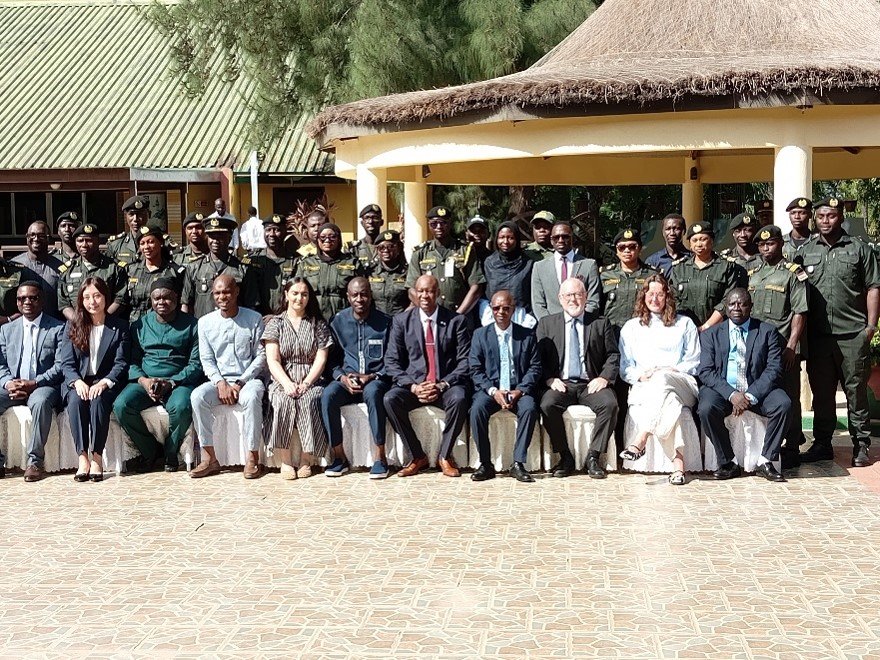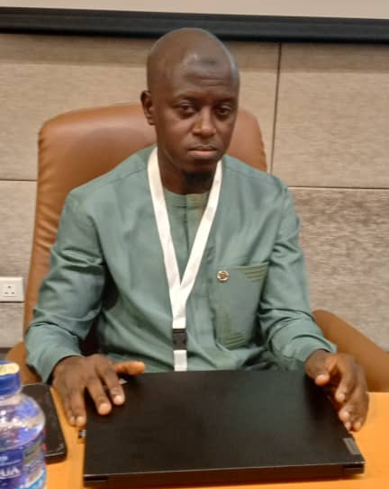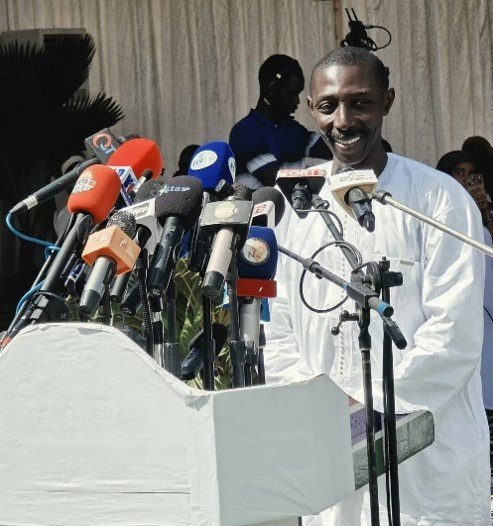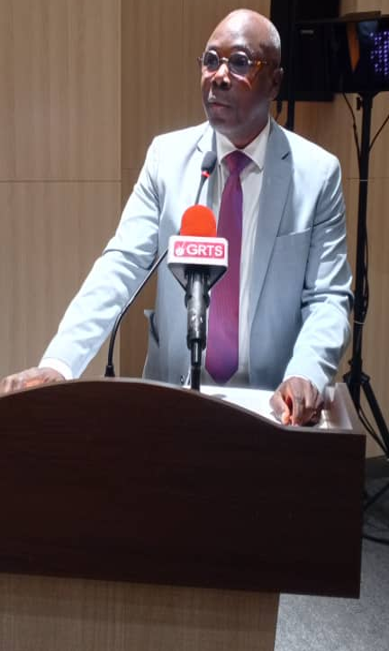
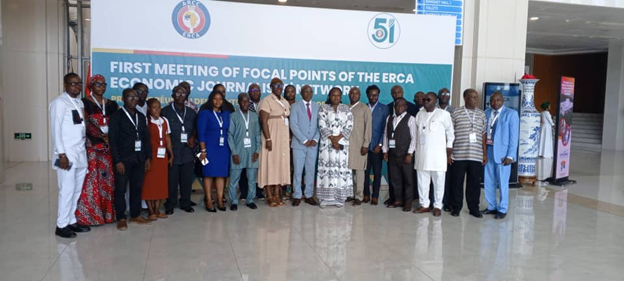
The ECOWAS Regional Competition Authority (ERCA) on Monday opened a 3-day workshop for business and economics journalists from across West Africa at the OIC Conference Centre in Bijilo, running from 9 to 11 November.
The inaugural meeting of the ERCA Economic Journalists Network brought together journalists from Senegal, Benin, Côte d’Ivoire, The Gambia, Togo, Nigeria, Ghana, Sierra Leone, Liberia, Guinea-Conakry, Guinea-Bissau and Cape Verde.
Declaring the workshop open, ERCA Executive Director Simeon Konan Koffi said the importance of the media to competition work “cannot be overstated”.
“The media are often called the fourth power for good reason,” he stated. “You scrutinise the exercise of authority. You ask questions on behalf of citizens who cannot enter every boardroom or examine every public decision.”
Mr Koffi said a decision taken by a handful of businesses can affect the cost of food, transport, communications and medicine for millions, yet the public may know very little about who made it or whether the law was respected.
“Independent journalism helps close that gap. It allows economic decisions to be examined in the light of the consequences for everyday lives,” he appealed.
ERCA was established under the ECOWAS legal framework adopted in 2008 and launched in The Gambia in June 2019 to implement regional competition rules and protect consumers, working with national authorities.
The ERCA executive director urged journalists not to present suspicion as verdict, but to ask better questions: “When prices rise, what evidence explains the change? When a small business closes, did it have a fair chance to compete? When public money is spent, did the process deliver genuine competition?” He highlighted pertinent issues.
He explained cartels, saying where competitors fix prices, limit output, divide territories or rig bids – and abuse of dominance, where market power is misused to shut out rivals or impose abusive conditions. Size alone, he stressed, is not an offence, and high prices alone are not proof of a cartel.
“Verify information. Seek a response from those concerned. Distinguish an allegation from an investigation and an investigation from a final finding.”
He also cited the ECOWAS Consumer Protection Directive of July 2023, Article 9, which encourages consumers to learn about goods, keep receipts, preserve messages and report unfair practices. Journalists, he said, should encourage citizens to report through appropriate channels – to ERCA or to national authorities like the GCCPC – rather than trying to prove a whole case themselves.
Gambia Competition and Consumer Protection Commission (GCCPC) Director Baboucarr Ceesay gave a practical breakdown of anti-competitive practices that drive price hikes and hardship.
He outlined some these practices as cartelization, hoarding, tying and bundling – forcing a buyer to buy an unwanted product to get the one they need, abuse of dominance and monopoly, and bid-rigging.
Ceesay said these practices are unfair because they reduce choice, weaken quality, discourage innovation and deny small businesses the chance to grow. “Where families already face financial pressure, an avoidable increase in the cost of an essential commodity can mean postponing another necessary purchase,” he noted, echoing Mr Koffi’s warning.
ECOWAS Commission Director of Communication Joel Ahfodji in his edifying remarks stressed that communication is not decoration for enforcement – it is part of it. People can only exercise a right when they know it exists, and businesses can only comply when they understand the rules. He commended ERCA for building a network of journalists who can translate technical competition law into local languages, radio discussions and accessible digital reports that reach markets, homes and communities.
In their reactions, participants expressed appreciation to ERCA and GCCPC and readiness to work with ERCA and national competition authorities. They pledged to report suspicious malpractices, unexplained price hikes, hoarding and collusion responsibly – verifying facts, protecting sources, and following up on decisions to see if promised changes occur.
The network, they agreed, would make competition and consumer protection part of everyday public discussion across West Africa – and make it harder for unlawful conduct to remain hidden.