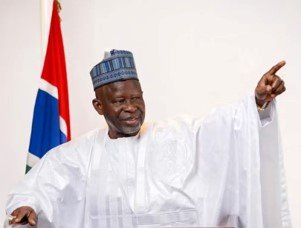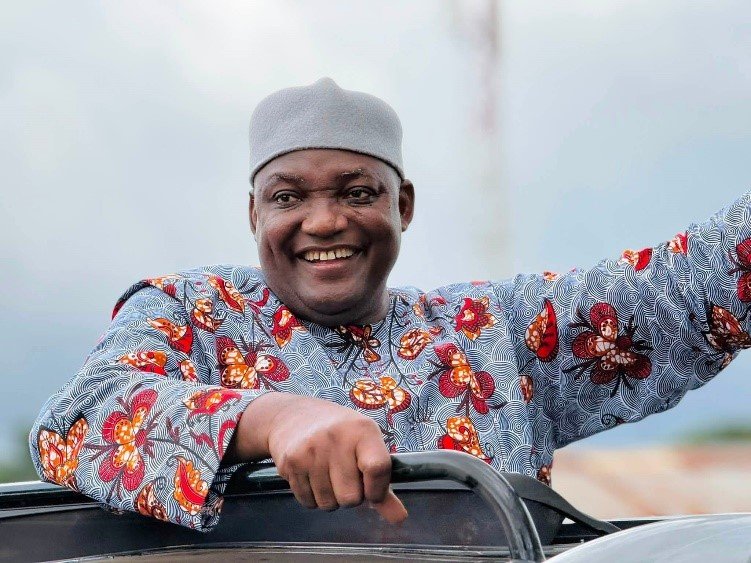
At his recent rally in Kombo Lamin, President Adama Barrow devoted much of his speech to criticizing political rivals, questioning their competence, and assuring Gambians of his National People’s Party’s strength ahead of December’s election. He dismissed opposition leaders as inexperienced, accused them of failing their communities, and warned citizens against electing “the wrong people.”
Yet amid all the political rhetoric, one issue was conspicuously absent: the electricity crisis. Across Lamin and the wider Gambia, households and businesses are struggling daily with unreliable power. Families endure nights without light, students cannot study effectively, and entrepreneurs lose income when outages halt their work. This is not a minor inconvenience — it is a national emergency undermining education, health, and economic growth.
President Barrow spoke of building classrooms in Dobo and questioned whether his rivals could deliver development. But what good are classrooms without electricity to power lights, fans, or computers? What good are markets and roads if businesses cannot rely on stable energy? Gambians deserve more than political point-scoring; they deserve a clear, transparent plan to resolve the power crisis.
The president owes the nation an explanation: What concrete steps is his government taking to expand generation capacity, modernize transmission, and ensure reliable supply? When will Gambians finally see an end to the blackouts that have plagued their lives for years?
Leadership is not measured by dismissing opponents, but by addressing the urgent needs of citizens. Until President Barrow confronts the electricity crisis head-on, his promises of development will ring hollow.