Every rainy season, Gambians watch as streets flood and neighborhoods become impassable. The immediate reaction is often to blame the government. But is the government always at fault?
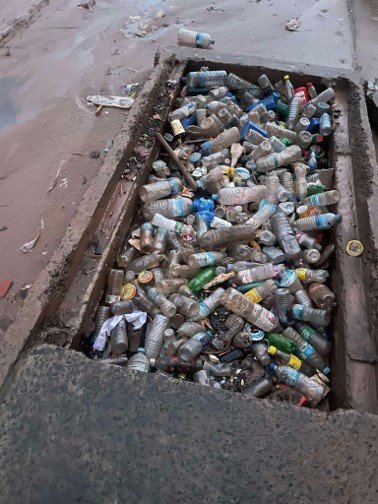
Across the Greater Banjul Area, gutters and drainage systems have been constructed. Yet many of these drains are clogged with rubbish, turned into dumping grounds by the very citizens they were built to serve. When the rains come, the water has nowhere to go, and the streets flood. Then the chorus begins: “Where is the government?” But perhaps the more important question is: “Where are the citizens?”
We must revive the spirit of tesito the collective effort that once defined our communities. Patriotism is not just waving the flag, singing the anthem, or posting on social media. It is about protecting public property, caring for our neighborhoods, and contributing to the nation’s progress.
The government cannot do everything alone. In Dakar, many streets have concrete slabs and improved drainage not solely because of municipal councils, but because residents came together, pooled resources, and acted. That is community responsibility in action.
Closer to home, Brufut Heights is often described as the most luxurious area in The Gambia. Yes, multimillion-dalasi houses stand tall there. But the roads? Muddy, potholed, and neglected. Imagine owning an expensive car and mansion, yet tolerating such conditions daily. This contradiction reflects a mindset problem: wealth without responsibility.
The same neglect is visible in government buildings. Some are in disrepair, while the private homes of officials resemble palaces. This disparity is not just embarrassing it is unsustainable.
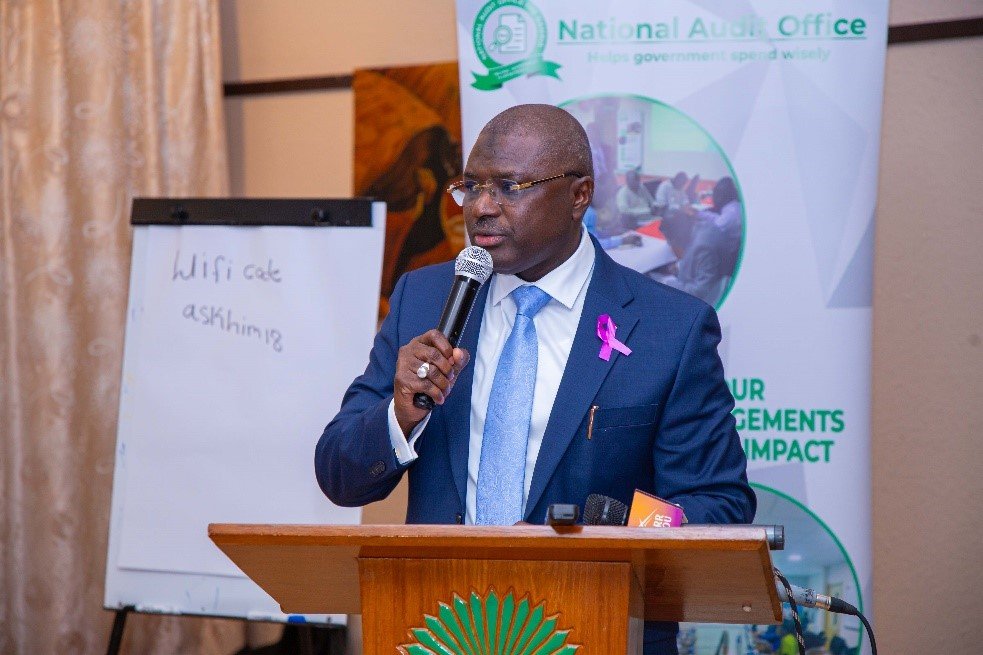
Reacting to this, Sheikh Alkinky Sanyang, Senior Program Officer at the National Environment Agency (NEA), has called on Gambians to take greater responsibility for their actions in order to maintain a clean and healthy environment.
Speaking on the importance of environmental stewardship, Mr. Sanyang emphasised that the well-being of the Gambian people depends on collective efforts to keep communities free from waste and pollution.
He noted that while government agencies play a vital role in policy and regulation, the everyday choices of citizens from proper waste disposal to participation in community clean-up exercises are equally critical.
“The environment is our shared home,” he stated. “Each Gambian must recognize that their actions, whether positive or negative, directly affect the health, safety, and future of our nation. A cleaner Gambia means healthier families, stronger communities, and a more sustainable future.”
The NEA continues to champion initiatives aimed at raising awareness about environmental protection, including campaigns on waste management, tree planting, and climate resilience. Mr. Sanyang’s remarks serve as a reminder that safeguarding the environment is not only a government responsibility but a civic duty for all