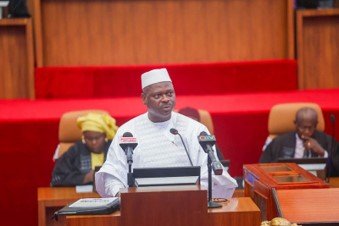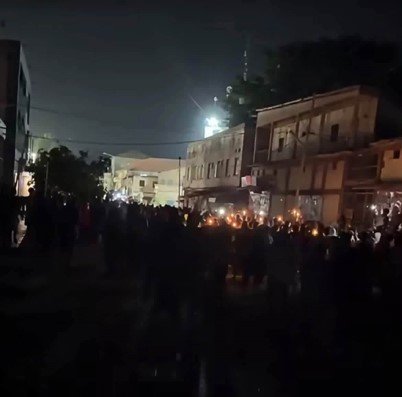
Anger and frustration swept through the streets of the Gambian capital last night as residents staged a candlelit protest against what they described as a prolonged 24-hour power outage. The demonstration, led by Banjul North National Assembly Member Modou Lamin Bah, drew scores of residents who chanted for the immediate restoration of electricity.
The outage, which began early Monday morning, has left households and businesses across several parts of the Greater Banjul Area without power. Shops, restaurants, and families have been forced to grapple with the disruption, with many turning to candles and generators to cope.
Protesters marched through the capital carrying candles a symbol of both resilience and frustration as they voiced their grievances over the recurring electricity shortages. “We cannot continue living like this,” one resident shouted, echoing the sentiments of many who joined the demonstration.
The National Water and Electricity Company (NAWEC) has yet to issue a formal statement on the outage, which has plunged large sections of the city into darkness. For residents, the blackout has reignited long-standing concerns about the reliability of the country’s power supply and the impact on daily life.
As the protest unfolded, calls grew louder for authorities to address the crisis and provide a lasting solution to the electricity challenges facing the capital.
Daily Life in the Dark: For households, outages mean spoiled food, sleepless nights, and children struggling to study by candlelight. “We cannot continue living like this,” one protester shouted, holding a flickering candle aloft. Families across the Greater Banjul Area have been forced to adapt, but the strain is evident.
Economic Toll: Businesses are bearing the brunt of the crisis. Fish vendors at Bakoteh market watch their stock rot when refrigeration fails. Tailors spend more on generator fuel than they earn, leaving orders unfinished. Restaurants and cafés lose customers when outages stretch into the evening.
The National Water and Electricity Company (NAWEC) received billions in government bailouts, including a D2.59 billion injection in 2025, yet outages persist. NAWEC even reported profits of D1.33 billion that year, raising questions about accountability and efficiency.
Political Pressure: The protests have placed renewed pressure on NAWEC and the government. Residents argue that bailouts have not translated into reliable service, and opposition voices are seizing on the crisis to demand reform. The candlelit march in Banjul is the latest in a series of demonstrations that highlight the growing disconnect between public expectations and official assurances.
Searching for Solutions: Experts point to regional cooperation and renewable energy as possible lifelines. Electricity imports from Senegal could ease shortages, while investment in solar power might provide long-term relief. But without transparency and consistent delivery, Gambians remain skeptical.
Human Cost: Behind the statistics are human stories: a tailor missing deadline for wedding gowns, a fish vendor abandoning her trade, a student struggling to revise for exams. These voices underscore that the blackout is not just about electricity it is about dignity, opportunity, and the right to live without constant disruption.