For six weeks, a team of surveyors, historians, and diplomats worked quietly along the frontier between The Gambia and Senegal. Their mission was not just technical it was profoundly symbolic. The Joint Gambia-Senegal Boundary Commission has completed the first phase of a demarcation exercise, covering nearly 30 kilometers from Dimbaya in Kombo to Kanao in Foni.
A Line Born of History: The Gambia’s unusual map a narrow strip carved along the River Gambia is the product of colonial negotiations between Britain and France. Archival records from the National Centre for Arts and Culture (NCAC) show that between 1889 and 1905, the two powers spent 17 years defining the boundary. Britain insisted on “10 kilometres distance from the South and North Bank of River Gambia,” leaving France with the rest.
At first, the boundary was marked by natural features: trees, ponds, bolongs, and footpaths. But these proved unreliable. By 1900, storms uprooted trees and ponds dried up, erasing the markers. A new vision emerged, and by 1904–1905, permanent concrete pillars were implanted.
Reaffirming the Past, Securing the Future
Today, the Joint Commission is reaffirming those colonial pillars, recording coordinates, and implanting new markers. Each pillar whether old or new is accompanied by a descriptive sheet, ensuring clarity for generations to come.
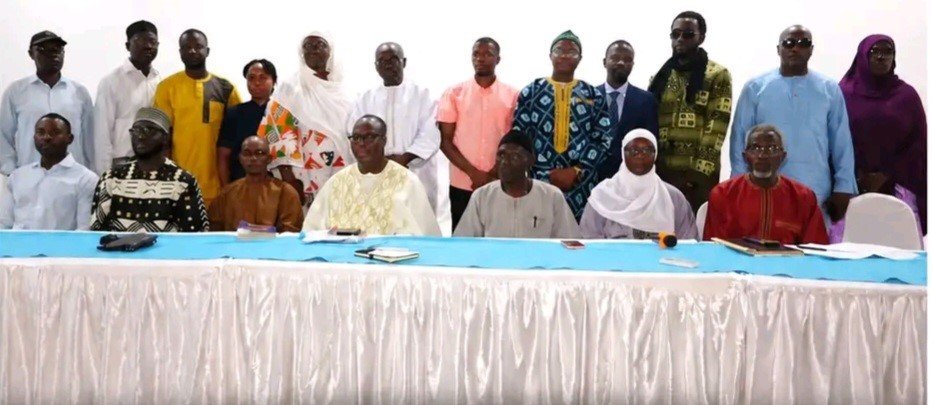
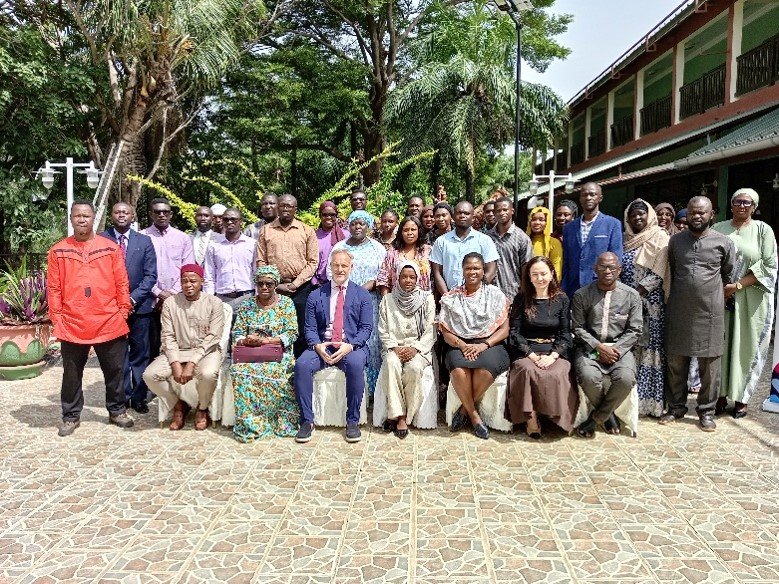
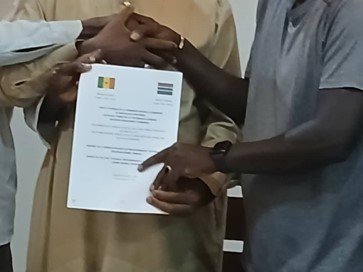
At the close of the first phase, nine agreements were signed. These include joint reports on densification points, coordinates, and pillars. The documents were witnessed not only by Gambian and Senegalese officials but also by experts from Ghana and Burkina Faso, underscoring the importance of transparency.
Lessons from the Region: West Africa has seen how fragile boundaries can be. In 1985, Burkina Faso and Mali fought a brief war over a disputed frontier. More recently, Ghana and Togo came close to conflict over boundary disagreements. For The Gambia and Senegal, the demarcation exercise is more than a technical project it is a safeguard against future disputes.
A Symbol of Good Neighborliness: The work of the Commission is a reminder that boundaries are not just lines on a map. They are agreements, understandings, and commitments to coexist peacefully. By reaffirming and clarifying their frontier, The Gambia and Senegal are investing in stability, cooperation, and good neighborliness.
The nine reports will be archived for posterity, ensuring that future generations understand not only where the line lies, but why it matters.