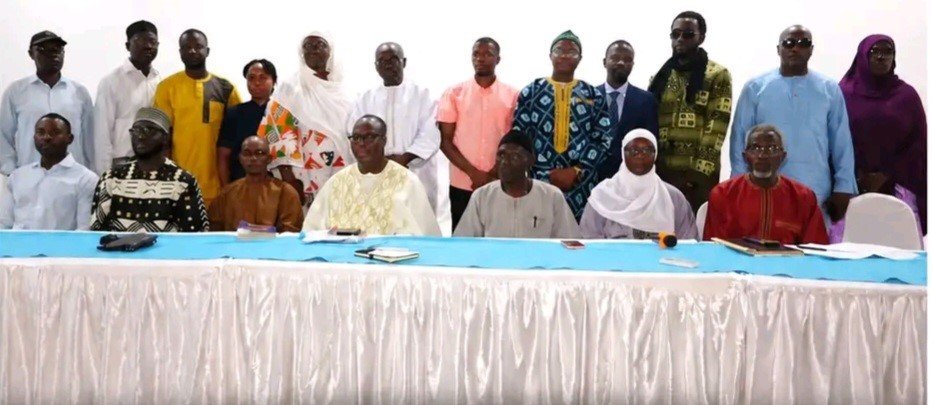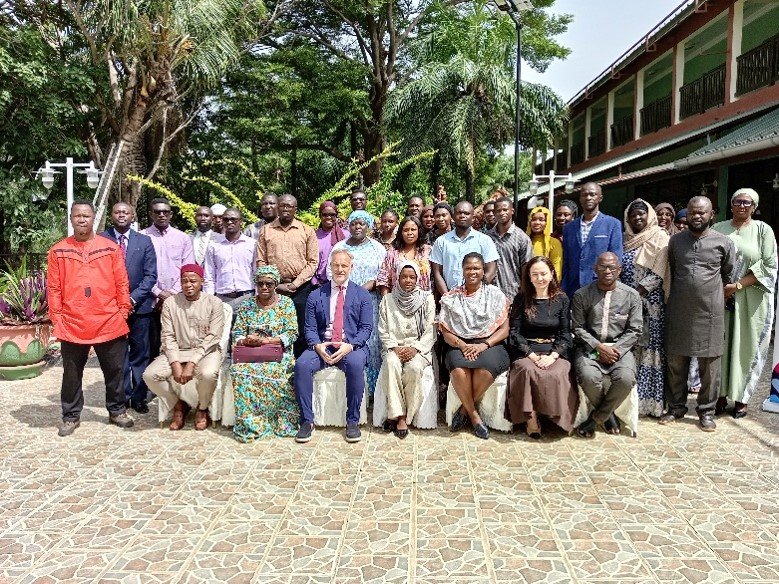
In a country where political attention often gravitates toward high- profile offices such as National Assembly seats, mayorships, and ministerial positions, veteran politician Halifa Sallah has called for a shift in focus. He argues that the unsung heroes of national development grassroots organisers deserve greater recognition and support.
Sallah, a long-standing figure in Gambian politics and community activism, emphasised that while elected officials play visible roles in governance, it is the grassroots organisers who sustain the daily fabric of society. “There is a need to recognise and strengthen the role of grassroots organisers in organising communities and contributing to the country’s development process,” he said.
The Overlooked Role of Grassroots Leaders
Grassroots organisers are often the first responders to community challenges. They mobilise residents to address pressing issues such as sanitation, youth unemployment, education, and local infrastructure. Unlike politicians who operate within formal institutions, these organisers work directly with citizens, building trust and fostering cooperation.
Yet, despite their impact, grassroots leaders rarely receive the same recognition or resources as those in public office. Their contributions are overshadowed by the prestige of political titles, leaving them underfunded and undervalued.
Why Recognition Matters: Observers note that elevating grassroots organisers could strengthen democratic participation. By acknowledging their role, the nation would signal that development is not the sole responsibility of officeholders but a collective effort rooted in community action.
Political analysts argue that this recognition could also help bridge the gap between citizens and institutions. Grassroots leaders often act as intermediaries, translating national policies into local realities. Supporting them would ensure that development strategies are inclusive and sustainable.
A Call for Policy Shift: Sallah’s remarks come at a time when The Gambia continues to grapple with challenges of decentralisation and community empowerment. His call suggests that policy frameworks should not only empower elected officials but also provide resources and training for grassroots organisers.
Civil society groups have echoed similar sentiments, urging government and development partners to invest in community leadership programs. Such initiatives, they argue, would strengthen local governance and ensure that national development plans are grounded in the realities of everyday Gambians.
Looking Ahead: As the country debates the future of its democratic institutions, Sallah’s intervention highlights a critical question: who truly drives development? While political offices remain important, the recognition of grassroots organisers could redefine how Gambians view leadership and participation.
By shifting attention to those who work tirelessly at the community level, the nation may discover that the foundation of progress lies not only in the halls of parliament but also in the streets, compounds, and villages where organisers quietly shape the future.