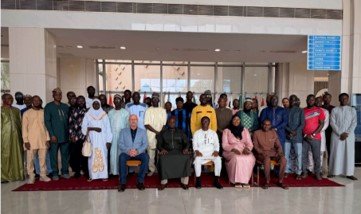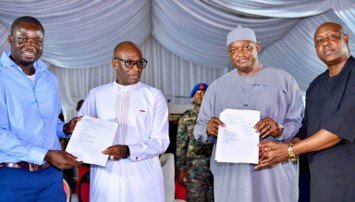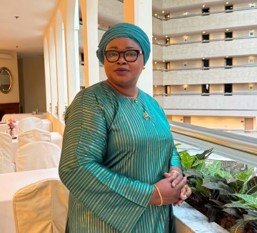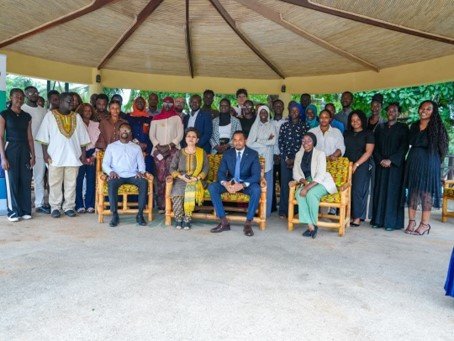
The Institute for Human Rights and Development in Africa (IHRDA) and the Gambia Press Union (GPU), with support from UNICEF Gambia, have commenced a two-day training workshop on children’s rights and ethical reporting for media practitioners.
The training, held from 11–12 August 2026, is part of the project “Strengthening Media Capacity on Children’s Rights and Ethical Reporting in The Gambia.” It aims to equip journalists with the skills to produce accurate, ethical, and child rights-sensitive reporting, while promoting media content that safeguards the dignity and protection of children.
Speaking at the opening ceremony, GPU President Isatou Keita emphasised the critical role of journalists in shaping public perception of children’s issues. “When a child is harmed, journalists are often among the first to tell the story, making ethical reporting essential to preventing further harm,” she said. Keita urged reporters to adopt an agenda-setting approach, noting that consistent and fair coverage of children’s rights keeps these issues visible to both the public and policymakers.
UNICEF Gambia Country Representative, Ms. Nafisa Binte Shafique, described the initiative as an investment in the future of The Gambia. She highlighted that children under 15 make up more than 40 percent of the population, while nearly 54 percent are below 19, according to preliminary findings of the 2024 Population and Housing Census. “Children are rights-holders. They are citizens. They are not simply subjects of our stories; they have stories, ideas and perspectives of their own,” she said, urging journalists to portray children beyond victimhood by showcasing their resilience and achievements.
IHRDA Executive Director, Dr. Musa Kika, underscored the media’s role as a partner in child protection. He encouraged journalists to report on violations affecting children, including female genital mutilation (FGM), child marriage, child labour, and exploitation, but to do so within legal and ethical standards.
Delivering the keynote address, Minister of Information and Broadcasting Services, Dr. Ismaila Cessay, called on journalists to prioritize the safety and dignity of children in their reporting. “The question is no longer simply; can we publish this? We must also ask: should we publish this? And perhaps more importantly, what will happen to this child after we publish this?” he said, urging reporters to investigate wrongdoing without exploiting vulnerable children.
The workshop will cover a wide range of topics, including children’s rights, legal and ethical frameworks, sensitive reporting, interviewing children and survivors, digital media ethics, and child rights-focused programming.