As The Gambia inches towards the December 5 presidential election, the political atmosphere is thick with anticipation, anxiety and familiar theatrics and insincerity. Banners, posters and billboards are springing up, griots have resumed their praise-singing, and political rallies are once again the weekend ritual. But beneath the noise, a critical question hangs in the air: what hope is there for the opposition?
It is rather unfortunate that the people are somehow faced with two disappointments. On one hand, public discontent is palpable. The cost of living has risen sharply, the dalasi is under pressure, youth unemployment remains chronic, and the backway to Europe continues to claim young Gambian lives. On the other hand, the opposition — which should be capitalising on this discontent — appears fragmented, distrustful of itself, and strategically flat-footed.
Incumbent President Adama Barrow and his National People’s Party (NPP) understand the game of power perfectly. While opposition leaders hold press conferences to highlight the pitfalls of his administration, Barrow is quietly doing what incumbents do best in Africa: fishing with the net of state patronage. The recent defections of prominent figures like Mama Kandeh of the Gambia Democratic Congress (GDC) and Essa Faal of APP-Sobeyaa, along with several influential regional executives of the United Democratic Party (UDP), are not isolated. They are part of a calculated strategy to galvanize support by depleting the opposition’s ranks. These cross-carpetings may not be driven by ideology or love for the nation; they are often driven by access to resources, promises of appointments, and fear of political oblivion. But whatever the motive, the effect is the same: it creates distrust, demoralises grassroots supporters, and paints the opposition as a leaking boat.
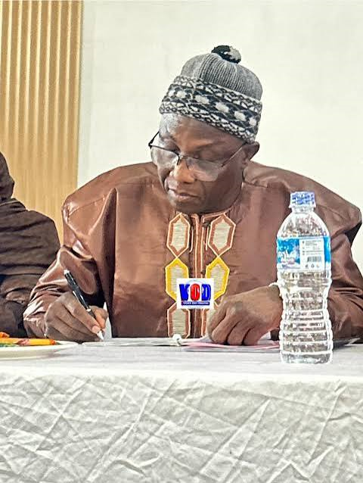
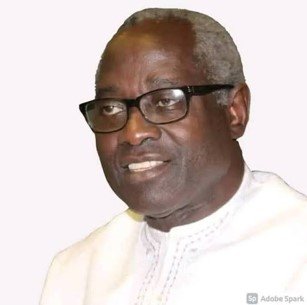
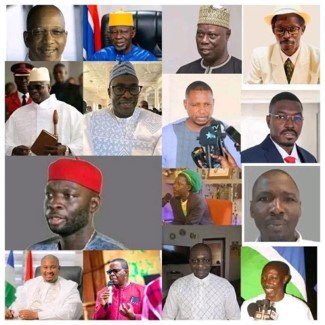
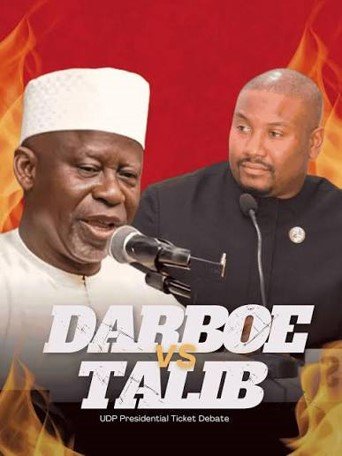
The main opposition parties — UDP led by Ousainu Darboe, the newly formed Unite Party, the Peoples Democratic Organisation for Independence and Socialism (PDOIS), and others — continue to bemoan what they perceive as a weak administration that has failed to grow the economy and alleviate suffering. Darboe has described the December 5 poll as The Gambia’s “final opportunity” for change, accusing the Barrow government of mismanaging public funds, weak accountability after the Janneh Commission, and failing to stem irregular migration. His critique resonates with many. But critique without grand or formidable coalition works out nothing tangible.
This begs the question: why have the Gambian opposition parties refused to form one formidable front?
The answers are uncomfortably familiar. Is it ego and pride? Each flagbearer believes he is the rightful heir to State House. Is it selfishness and thirst for power? Is it personality cult — the UDP cannot see beyond Darboe, the PDOIS cannot move beyond its leaders and the likes of Halifa Sallah’s doctrinaire approach? Or have they been bewitched by the miasma of incumbency — the sheer power of a sitting president who controls the treasury, the security services, and the appointment letters?
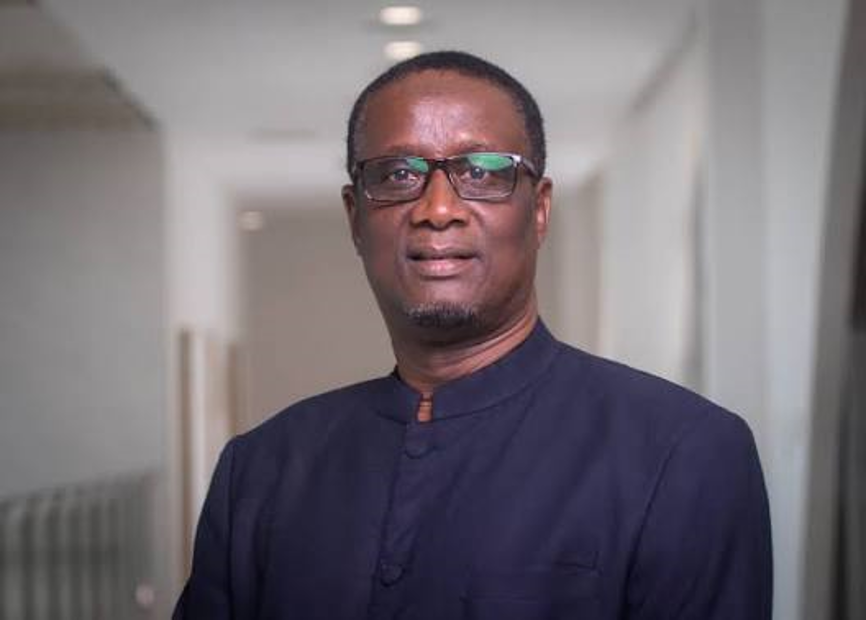
Whatever it is, this failure to unite is not akin to The Gambia alone; it is a recurring tragedy across sub-Saharan Africa. For instance, in Senegal before 2024, the opposition for years failed to coalesce until the last minute, allowing Macky Sall to dominate for two terms despite widespread discontent. In Nigeria, the opposition was fragmented for 16 years until 2015 when four major parties — ACN, ANPP, CPC and a faction of APGA — swallowed their pride and formed the All Progressives Congress (APC) to defeat the incumbent PDP. In Kenya, opposition unity under NARC – National Rainbow Coalition – in 2002 ended KANU’s 40-year rule, but subsequent splits in 2007 and 2013 gifted power back to the establishment. In Uganda, Kizza Besigye and Bobi Wine have failed to present a joint candidate against Yoweri Museveni for two decades, enabling Museveni to win six terms. In Zimbabwe, Morgan Tsvangirai and later Nelson Chamisa have seen factions of the MDC – Movement for Democratic Change – break away before every election, giving ZANU-PF easy victories.
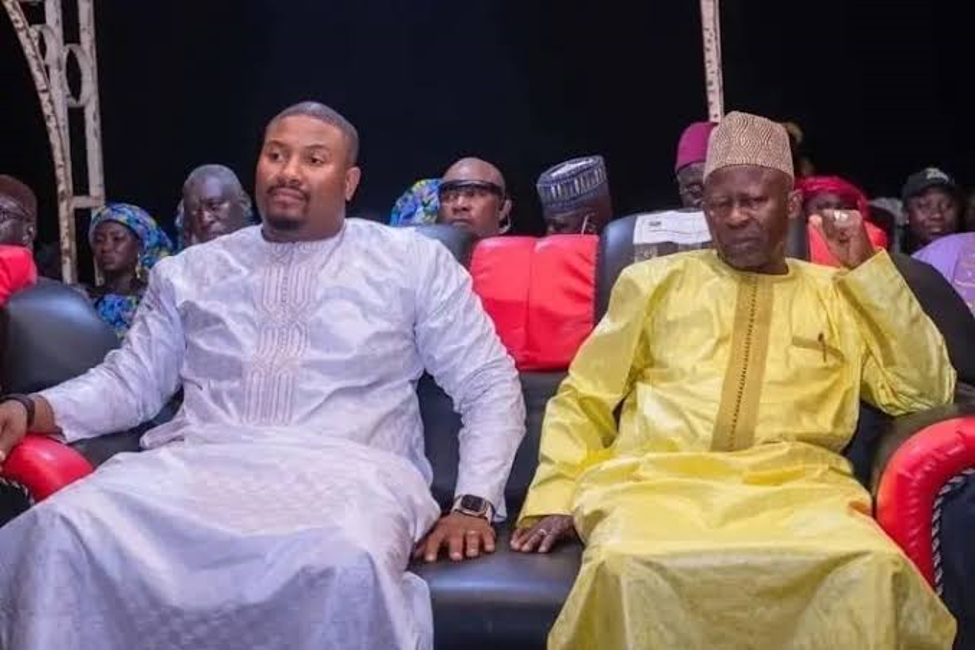
This pattern is inimical to the progress of democracy. When opposition parties refuse to unite, three dangerous things happen. First, it discourages the electorate. The ordinary Gambian who queues in the sun yearning for change begins to think, “If they cannot agree among themselves, how will they govern us?” Voter apathy sets in. Second, it entrenches the incumbent, no matter how poor his performance. It allows mediocrity to masquerade as popularity. Third, it exposes the roguish and dishonest character of African politics – where defection is not based on principle but on profit, and where politics is a business of survival, not service.
For The Gambia, the signs are troubling. Apart from minute, transactional alliances emerging in a few constituencies, there is no grand coalition, no formidable one. The UDP wants to go it alone, banking on its numerical strength. The smaller parties want a coalition but only if they are given the flagbearer position. The result is fragmentation that will split the anti-incumbency vote into tiny pieces – a gift to the NPP, which needs only a simple majority or even a plurality to win.
If the opposition goes into December 5 election divided, the result is anybody’s guess but history gives us a clue. Barrow will likely win a third term not necessarily because he is overwhelmingly loved, but because the opposition failed to do the arithmetic of unity. Darboe’s “final opportunity” may turn out to be another missed opportunity.
The hope for the opposition, if any, lies not in more press conferences in Pipeline, but in one honest, ego-free meeting where they decide, and uphold country first, party second.
Bye for now as I cry myself to sleep.