For decades, groundnuts have been the lifeblood of Gambian farming households, providing income to pay school fees, settle debts, and prepare for the next planting season. But this year, frustration is mounting as farmers complain of unpaid dues from Secco presidents entrusted with handling their sales.
At the heart of the issue is the National Food Security, Processing and Marketing Corporation (NFSPMC), which oversees the groundnut trade. The Deputy Managing Director of NFSPMC, Lamin Sanyang, has issued a stern warning to Secco presidents accused of withholding payments owed to farmers for groundnuts supplied. He cautioned that officials found guilty of diverting or mismanaging funds could face legal action.
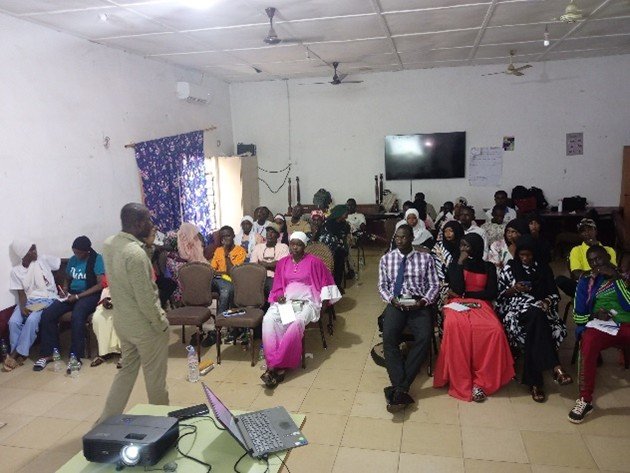
Speaking at a meeting with farmers, Sanyang dismissed claims that payment delays were due to a lack of funds. He stressed that the NFSPMC had consistently provided money to Seccos to ensure farmers were paid promptly.
“Government policy does not permit the purchase of groundnuts on credit,” Sanyang emphasized, urging farmers not to release their produce without immediate payment.
Farmers’ Voices: In villages across the country, farmers recount stories of delivering their groundnuts only to be told to “wait for payment.” For many, that wait has stretched into weeks. “We depend on this money to survive,” one farmer lamented. “Without it, we cannot feed our families or prepare for the next season.”
NFSPMC’s Position: Sanyang rejected claims that the delays stem from a lack of funds. He insisted that the NFSPMC has consistently provided money to Seccos to facilitate payments. His advice to farmers was clear: do not release groundnuts without receiving cash up front. Government policy, he stressed, does not permit purchases on credit.
Sanyang assured farmers that the NFSPMC would investigate the allegations and take decisive action against any Secco official found responsible for withholding payments. He underscored that farmers should not be left waiting indefinitely after surrendering their produce, warning that similar incidents would not be tolerated in the future.
As the groundnut season progresses, the stakes remain high. For rural households, timely payment is not just a matter of policy it is a matter of survival