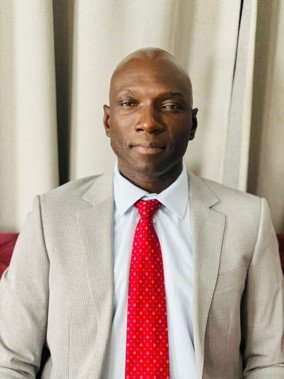
Dr Ousman Gajigo says nearly $1 billion in annual diaspora transfers is the only thing keeping the dalasi from free fall, and warns the country is running out of alternatives
For thousands of Gambian households, it would mean no school fees, no medical bills, no food on the table. It would also mean economic catastrophe, economist and politician Dr. Ousman Gajigo has warned what if the diaspora stopped sending money.
“Without remittances today, the dalasi would crater. It would completely collapse,” he said on Coffee Time With Peter Gomez. “The little stability we are seeing is all due to remittances.” Without that lifeline, he said the dollar, currently around D74, D75, could reach D150. “It’s difficult to talk about this counterfactual, but something along that would not be inconceivable.”
Gajigo emphasised that the consequences would be severe for an import-dependent country: “Inflation would go through the roof. The cost of living would skyrocket. We will probably get an economic collapse.”
Formal remittances are estimated at close to $900 million last year and approaching 1 billion Dollars this year, not counting informal transfers, which Dr. Gajigo said are significant.
Explaining that $1 billion is:
· Higher than the entire national budget
· More than three times foreign direct investment ($300 million)
· More than twice domestic revenue ($400 million)
· Three times higher than exports
“It is really difficult to overemphasise the importance of remittances,” he said.
Outlining how the nightmare scenario would unfold against rising national debt and shrinking borrowing options. Gajigo outlined that “The Gambia is already heavily indebted. Our ability to borrow, whether from development partners or the private sector might be getting more and more restricted.”
Additionally, he expressed that remittances fund survival, not a luxury, as it covers education, health, daily consumption, and food on the table every day, and most goes into consumption rather than long-term investment, he said, because there are no investment vehicles. “We don’t have a capital market essentially.”
He pointed to Ethiopia’s Grand Renaissance Dam, financed by diaspora bonds as a model. “You need a government that people believe in. The plan needs to be credible.”
Dr Gajigo made an emotional appeal: “Everyone working today you owe a lot, whether you know somebody personally abroad or not. You owe them a lot of gratitude.”
He linked that gratitude to diaspora voting, noting that the same Gambians keeping the economy afloat are denied the vote despite a 2021 Supreme Court ruling. “We hope that gratitude will be repaid in the form of giving them their right to vote.”
Gajigo emphasised that the danger is not only that remittances might decline, but that The Gambia has failed to build the investment vehicles that would turn diaspora money into long-term development. “If remittances fall significantly, we’re looking at a major economic catastrophe,” he said